
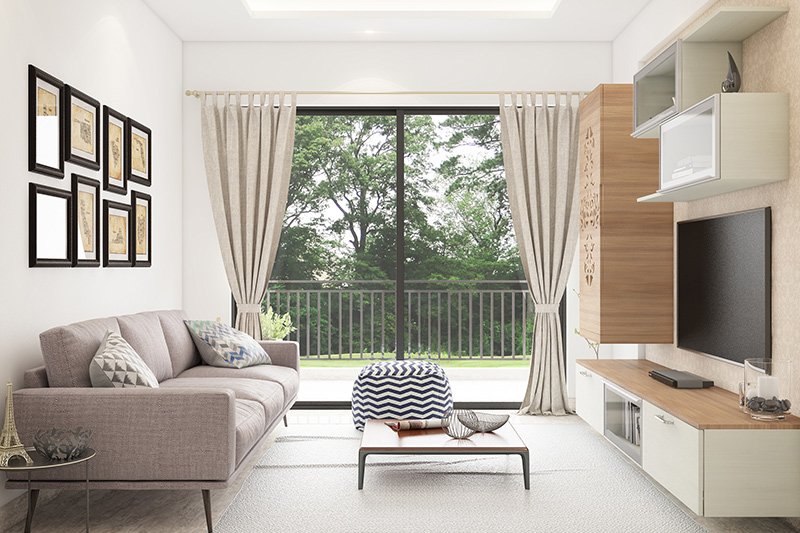

An apartment is more than just a place to live—it reflects lifestyle choices, convenience, and adaptability in today’s fast-paced world. Whether located in a high-rise tower or a low-density residential block, apartments have become one of the most popular housing options across cities and growing suburbs.
This article explores what apartments are, their types, advantages, challenges, and what to consider before choosing one.
What Is an Apartment?
An apartment is a self-contained residential unit within a larger building or complex. It typically includes a bedroom, bathroom, kitchen, and living area, all designed for private use while sharing common infrastructure such as entrances, elevators, parking, and recreational spaces.
Apartments can be rented or owned, depending on the housing system and local property laws.
Common Types of Apartments
Apartments vary widely based on layout, size, and purpose. Understanding the types helps in choosing the right fit.
Studio Apartments
A compact unit where the living, sleeping, and kitchen areas share one open space, with a separate bathroom. Ideal for singles and minimalists.
One-Bedroom and Two-Bedroom Apartments
These units offer separate bedrooms, making them suitable for couples, small families, or shared living arrangements.
Duplex Apartments
Spread across two internal floors, duplex apartments provide a house-like feel within a building.
Luxury Apartments
Designed with high-end finishes, modern appliances, and premium amenities such as gyms, pools, concierge services, and smart home systems.
Serviced Apartments
Fully furnished units offering hotel-like services, including housekeeping and utilities, often used for short-term stays or business travel.
Key Advantages of Apartment Living
Apartment living appeals to many due to its balance of comfort and practicality.
Major benefits include:
- Lower maintenance responsibility compared to standalone houses
- Enhanced security through gated access and surveillance
- Access to shared amenities like gyms, parks, and community halls
- Prime locations close to workplaces, schools, and public transport
- More affordable options in urban centers
These features make apartments especially attractive to young professionals and retirees.
Challenges to Consider
Despite the benefits, apartment living may not suit everyone.
Potential drawbacks include:
- Limited living space
- Less privacy due to shared walls
- Noise from neighbors or common areas
- Restrictions imposed by housing associations
- Monthly maintenance or service charges
Understanding these factors early helps avoid dissatisfaction later.
What to Look for Before Choosing an Apartment
Selecting the right apartment requires more than liking the layout.
Location and Connectivity
Choose areas with easy access to transport, healthcare, schools, and daily essentials.
Building Quality and Age
Inspect construction quality, plumbing, electrical systems, and overall maintenance.
Legal and Ownership Clarity
Verify property documentation, approvals, and ownership rights to avoid future disputes.
Amenities and Maintenance
Assess whether amenities justify the maintenance fees and if management responds efficiently to issues.
Apartments vs Independent Houses
While independent houses offer space and autonomy, apartments excel in convenience, security, and cost efficiency. The choice often depends on lifestyle priorities, budget, and long-term plans rather than size alone.
The Future of Apartment Living
With rising urbanization, apartments are evolving rapidly. Developers are integrating green building concepts, smart technologies, and community-focused designs to enhance comfort and sustainability. Apartments are no longer seen as compromises but as smart urban solutions.
Frequently Asked Questions (FAQs)
1. Is buying an apartment a good long-term investment?
Yes, especially in growing urban areas where demand for rental housing and resale value remains strong.
2. What is the difference between an apartment and a condominium?
Apartments are often rented, while condominiums are individually owned units within a shared building.
3. Are apartments suitable for families with children?
Many apartments are family-friendly, offering play areas, security, and proximity to schools.
4. How are maintenance charges calculated?
They are usually based on apartment size, shared amenities, and overall building expenses.
5. Can apartments be customized or renovated?
Minor interior changes are usually allowed, but structural modifications often require approval.
6. Do apartments offer better security than houses?
Generally yes, due to controlled access points, guards, and surveillance systems.
7. What documents should be checked before renting an apartment?
Lease agreement, identity proof of the owner, maintenance rules, and utility responsibilities should always be reviewed.
Apartment living continues to redefine modern housing by blending efficiency, community, and urban convenience into a single living experience.

Comments are closed.