
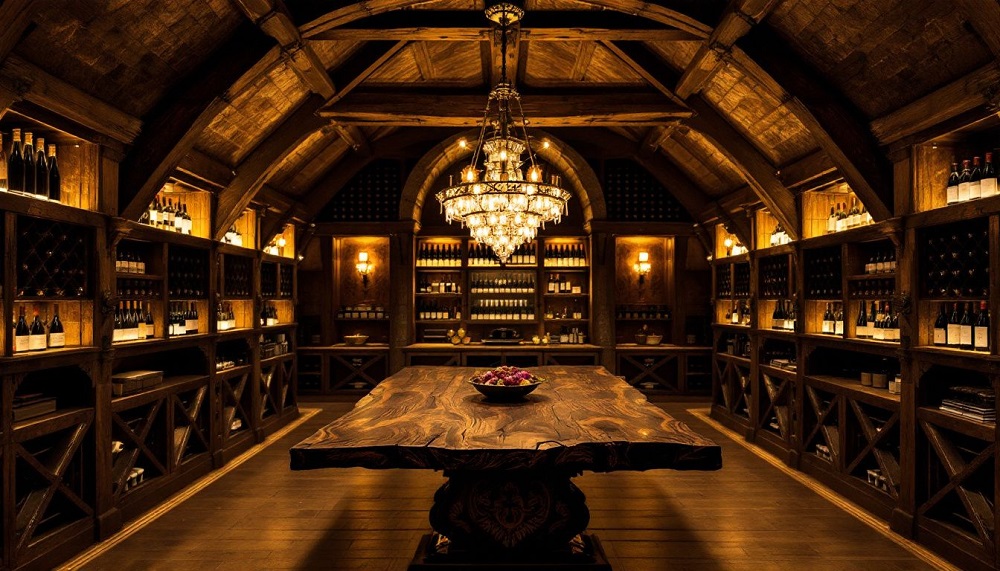

Why a custom cellar starts with the right layout and light
A wine cellar should feel calm the moment you step inside. It should not feel crowded, stiff, or hard to use. That is why the first choices matter so much. Good design starts with the room itself, then moves to the bottles, then the mood. A smart plan is often custom wine cellar designers at work, because they know the room has to do more than look nice. It has to protect the wine, fit the home, and stay easy to live with. That balance sounds simple, yet it takes care to get right.
Light, space, and flow shape the whole feel of the cellar. If the room is too bright, the wine can suffer. If the shelves are too tight, the space feels strained. If the layout is awkward, even a nice cellar becomes annoying fast. Nobody wants to wrestle with a bottle like it is a bag of rocks. The best design keeps movement easy and storage clear. It also leaves room for growth, because collections change. Once those parts line up, the cellar feels less like a display and more like a place that works. That is the sweet spot, and it is worth aiming for.
How to shape storage that fits bottles, style, and daily use
Storage should match the way you actually use wine. Some people open a bottle every week. Others save special bottles for a few years. Some collect a few labels. Others keep a much larger mix. A good cellar reflects that mix instead of forcing one setup on every home. That is why shelf depth, rack spacing, and bottle access all matter. If the storage is wrong, the room may look fine but feel clumsy. A better layout makes it easy to reach what you need without digging around.
Style matters too, but it should not take over the room. Wood, metal, stone, and Glass all change the mood in different ways. Still, the first job is function. After that, the details can make the cellar feel warm and personal. Clean lines help. So do labels that are easy to read and rows that make sense at a glance. The point is to make the space feel natural, not forced. A cellar should invite you in, not make you pause and guess.
- Match rack size to the bottles you own
- Leave room for future bottle growth
- Keep the most used bottles easy to reach
- Use finishes that fit the rest of the home
What custom details keep your wine collection safe and tidy
Wine is picky, so the room needs to be steady. Temperature swings are not a small thing. Neither is moisture that runs too high or too low. That is where custom planning helps. The right builder looks at cooling, insulation, sealing, and airflow before the pretty parts go in. If those basics are weak, the cellar can look polished and still do a poor job. A good cellar protects the bottles first, then makes the room feel good to use. That order matters.
Tidiness also comes from the small choices. Good lighting helps you see what you have. Clear zones help separate everyday bottles from special ones. Label-friendly storage keeps the room from turning messy over time. Even simple things like aisle width can make a big difference. If you can move around without brushing shelves, the space feels better right away. This is the kind of detail people notice later, after the cellar has been used for a while. It is easy to admire a room on day one. It is harder to keep it neat. Smart design makes that easier.
Why the right materials change the whole feel of the room
Materials do more than fill space. They set the tone. Wood can feel warm and classic. Metal can feel clean and modern. Stone can make the room feel grounded and solid. Glass can open the space and make it feel lighter. The best choice depends on the home and the look you want. It also depends on how much upkeep you want to handle. Some finishes age well with little fuss. Others need more care, but give a richer feel. That tradeoff is part of the decision.
A thoughtful mix of materials can also make a cellar more useful. One finish may work well for racks. Another may suit walls or trim. Lighting can pull the whole thing together without stealing attention. When the materials support the room instead of competing with it, the cellar feels calm. That calm is not just about style. It makes the space easier to enjoy for years. And that is the part most people really want.
What to do when your cellar plan starts to feel finished
Once the plan starts to take shape, it helps to step back and check the basics one more time. Ask whether the room fits the bottles, the home, and the way you live. Check the flow. Check the storage. Check the mood. If all three feel right, you are in a strong place. A cellar should feel complete without feeling crowded. It should feel useful without losing style. That is a rare mix, but a good plan can reach it.
We believe the best projects start with clear needs and end with a room that feels easy to use. If you are shaping a cellar of your own, keep the focus on fit, care, and steady design choices. Those are the parts that last. Take your time, trust the details, and let the space grow into something that feels natural in your home.

Comments are closed.