
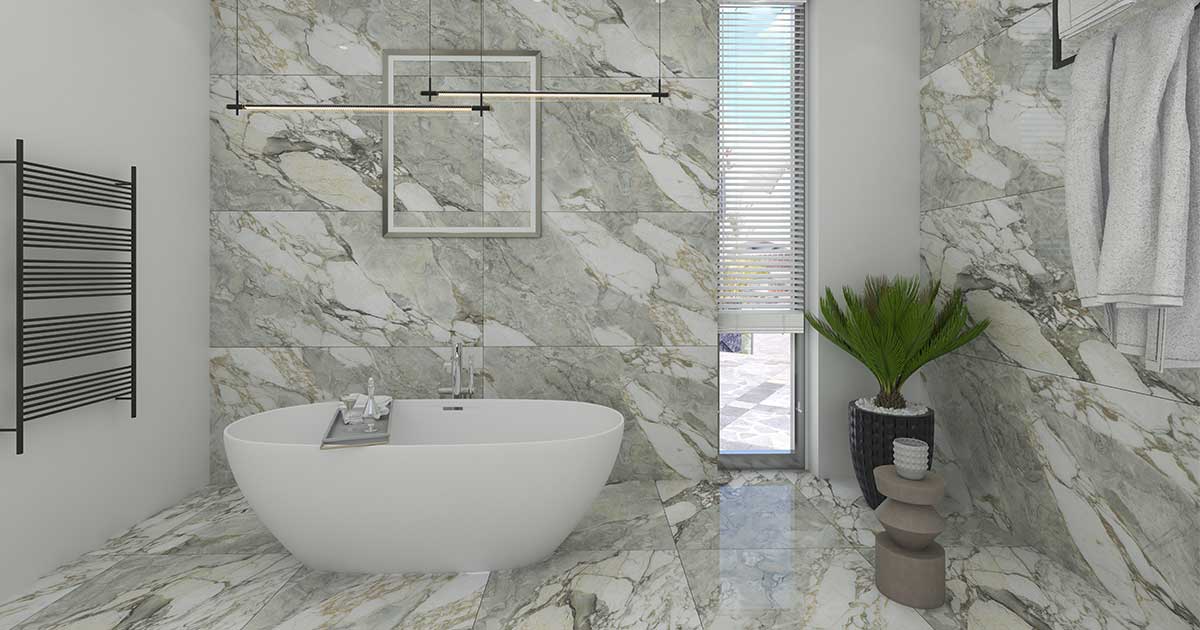

A bathroom is one of the most essential spaces in any home, combining daily functionality with personal comfort. Beyond basic hygiene, modern bathrooms serve as private retreats where thoughtful design, efficient layouts, and quality materials make a noticeable difference in everyday life.
This article explores the purpose of bathrooms, common types, design elements, materials, and key considerations for planning or upgrading one.
What Is a Bathroom?
A bathroom is a dedicated space designed for personal hygiene activities such as bathing, washing, and grooming. It typically includes fixtures like a toilet, sink, and shower or bathtub. Bathrooms can be simple and compact or spacious and luxurious, depending on the home’s layout and lifestyle needs.
Common Types of Bathrooms
Bathrooms are categorized based on size, location, and functionality.
Full Bathroom
Includes a toilet, sink, shower, and bathtub, making it ideal for families and primary bedrooms.
Half Bathroom (Powder Room)
Contains only a toilet and sink, commonly located near living or dining areas for guest use.
Attached Bathroom
Directly connected to a bedroom, offering privacy and convenience for occupants.
Shared Bathroom
Used by multiple bedrooms or residents, often designed with efficient layouts to handle frequent use.
Luxury Bathroom
Features premium fittings, spacious layouts, bathtubs, rain showers, and ambient lighting for a spa-like experience.
Essential Bathroom Fixtures
The functionality of a bathroom depends largely on its fixtures.
Key fixtures include:
- Toilet designed for water efficiency and comfort
- Washbasin or vanity with storage for daily essentials
- Shower or bathtub depending on space and preference
- Mirrors and cabinets for grooming and organization
Choosing durable and water-efficient fixtures improves long-term usability.
Bathroom Design Elements
A well-designed bathroom balances aesthetics with practicality.
Layout and Space Planning
Efficient layouts ensure easy movement, proper ventilation, and accessibility, especially in smaller bathrooms.
Lighting
Good lighting enhances visibility and mood. A mix of ambient, task, and accent lighting works best.
Ventilation
Proper ventilation prevents moisture buildup, mold growth, and unpleasant odors, extending the life of finishes.
Storage Solutions
Wall-mounted cabinets, under-sink storage, and shelving help maintain a clean and clutter-free space.
Materials Commonly Used in Bathrooms
Bathrooms require materials that can withstand moisture and frequent cleaning.
Popular choices include:
- Ceramic and porcelain tiles for floors and walls
- Stone or composite countertops for durability
- Glass partitions for modern shower enclosures
- Moisture-resistant paint and panels
Selecting the right materials improves safety and reduces maintenance.
Key Considerations When Planning a Bathroom
Before building or renovating a bathroom, careful planning is essential.
Safety and Accessibility
Non-slip flooring, grab bars, and proper heights improve safety for all age groups.
Water Efficiency
Low-flow fixtures and dual-flush toilets help conserve water and reduce utility costs.
Maintenance
Easy-to-clean surfaces and quality fittings minimize long-term upkeep.
Budget Planning
Balancing design preferences with budget ensures a functional yet stylish bathroom without overspending.
The Evolving Role of Bathrooms
Bathrooms are no longer purely functional spaces. Modern trends emphasize comfort, sustainability, and personalization, turning bathrooms into calm, rejuvenating environments that support well-being.
Frequently Asked Questions (FAQs)
1. What is the ideal size for a residential bathroom?
The ideal size depends on usage, but even small bathrooms can function well with efficient layouts and smart storage.
2. How often should bathroom fittings be replaced?
High-quality fittings can last 10–15 years with proper maintenance, though cosmetic upgrades may be done sooner.
3. Are bathtubs necessary in modern homes?
Bathtubs are optional and depend on lifestyle preferences, available space, and family needs.
4. What flooring is safest for bathrooms?
Slip-resistant tiles or textured surfaces are the safest options for wet areas.
5. Can a bathroom be soundproofed?
Yes, sound insulation materials can be added during construction or renovation to reduce noise transmission.
6. How important is ventilation in a bathroom without windows?
Mechanical exhaust fans are essential to control moisture and maintain air quality in windowless bathrooms.
7. What are common mistakes to avoid in bathroom design?
Poor lighting, inadequate storage, low ventilation, and choosing slippery materials are common design mistakes.
A thoughtfully designed bathroom enhances daily routines while adding long-term value and comfort to any home.

Comments are closed.