
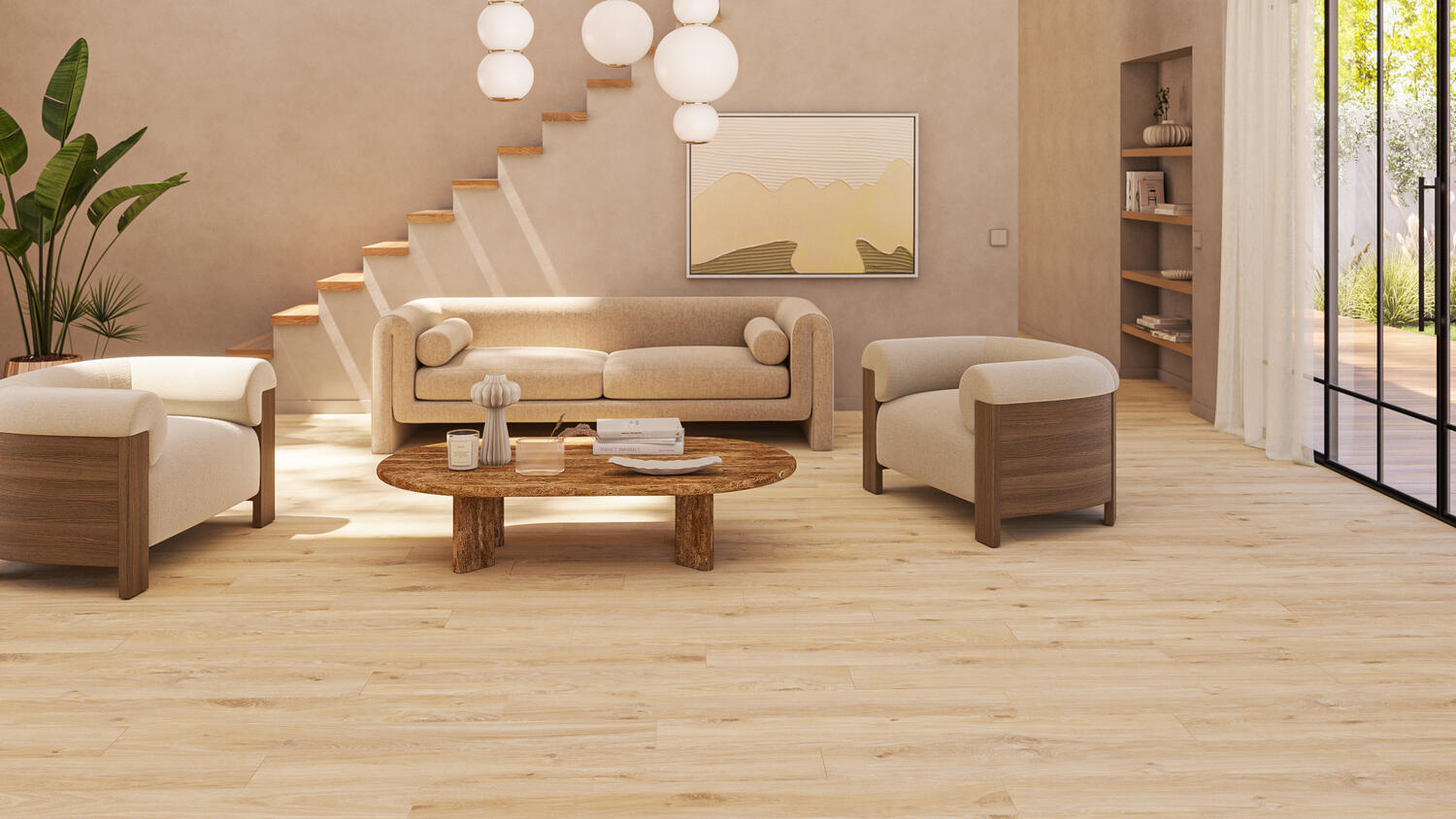

Choosing the right flooring can shape the comfort, appearance, and value of your home for years. Hardwood and laminate flooring are two of the most popular options, each offering distinct advantages. Understanding how they differ in cost, durability, maintenance, and lifestyle fit will help you make a confident decision.
Understanding Hardwood Flooring
Hardwood flooring is made from solid or engineered natural wood, offering a timeless and authentic look.
Key Benefits of Hardwood Flooring
- Natural beauty with unique grain patterns
- Long lifespan, often lasting decades
- Can be sanded and refinished multiple times
- Adds strong resale value to homes
Hardwood is often chosen for living rooms, dining rooms, and bedrooms where aesthetics matter most.
Considerations Before Choosing Hardwood
- Higher upfront cost
- Sensitive to moisture and temperature changes
- Requires careful maintenance to avoid scratches and warping
While elegant, hardwood performs best in controlled indoor environments.
Understanding Laminate Flooring
Laminate flooring is a multi-layer synthetic product designed to mimic the appearance of real wood.
Key Benefits of Laminate Flooring
- More affordable than hardwood
- Highly resistant to scratches and dents
- Easy and fast installation, often DIY-friendly
- Consistent appearance across planks
Laminate works well in busy households, rentals, and areas with heavy foot traffic.
Considerations Before Choosing Laminate
- Cannot be refinished
- Shorter lifespan than hardwood
- Less authentic feel underfoot
While visually convincing, laminate prioritizes practicality over longevity.
Cost Comparison: Hardwood vs. Laminate
Budget often plays a major role in flooring decisions.
Hardwood flooring costs typically include:
- Higher material prices
- Professional installation
- Occasional refinishing expenses
Laminate flooring costs are usually lower due to:
- Budget-friendly materials
- Simplified installation
- Minimal long-term maintenance
Laminate is ideal for homeowners seeking style without a large financial commitment.
Durability and Wear Resistance
Durability depends on how the space is used.
Hardwood durability highlights:
- Long-lasting when properly maintained
- Susceptible to scratches from pets or furniture
- Can be restored through refinishing
Laminate durability highlights:
- Strong resistance to daily wear
- Better protection against surface scratches
- Vulnerable to water damage if seams are compromised
For high-traffic areas, laminate often handles daily wear more easily.
Maintenance and Cleaning Requirements
Maintenance needs differ significantly between the two options.
Hardwood maintenance involves:
- Specialized cleaners
- Occasional refinishing
- Immediate cleanup of spills
Laminate maintenance includes:
- Simple sweeping or vacuuming
- Damp mopping with minimal water
- No refinishing required
Laminate appeals to homeowners seeking low-effort upkeep.
Moisture and Climate Considerations
Environmental conditions play a crucial role in flooring performance.
- Hardwood reacts to humidity and can expand or contract
- Laminate resists minor moisture but is not waterproof
In kitchens, basements, or humid climates, laminate often performs more reliably.
Aesthetic and Home Value Impact
Visual appeal and resale value are key long-term considerations.
- Hardwood offers unmatched authenticity and warmth
- Laminate provides modern styles and consistent finishes
Homes with hardwood flooring often attract higher buyer interest, while laminate delivers visual appeal at a lower cost.
Which Flooring Is Right for You?
Your decision should align with lifestyle, budget, and long-term plans.
Choose hardwood if you value:
- Authentic materials
- Long-term investment
- Classic, high-end aesthetics
Choose laminate if you prefer:
- Affordability
- Durability for daily living
- Simple maintenance
Both options can elevate your home when chosen thoughtfully.
Frequently Asked Questions (FAQs)
Does hardwood flooring increase home resale value more than laminate?
Yes. Hardwood is generally seen as a premium feature and can positively impact resale value.
Is laminate flooring suitable for homes with pets?
Laminate is often better for pets due to its scratch resistance and durability.
Can laminate flooring look as good as hardwood?
High-quality laminate can closely resemble hardwood, though it lacks the natural variation of real wood.
How long does laminate flooring typically last?
With proper care, laminate flooring can last 10–20 years, depending on quality and usage.
Is engineered hardwood better than solid hardwood?
Engineered hardwood offers better moisture stability while maintaining a real wood surface.
Can either flooring type be installed over existing floors?
Laminate often can, while hardwood usually requires a prepared subfloor.
Which flooring is quieter underfoot?
Hardwood tends to feel more solid, while laminate may require underlayment to reduce noise.

Comments are closed.