
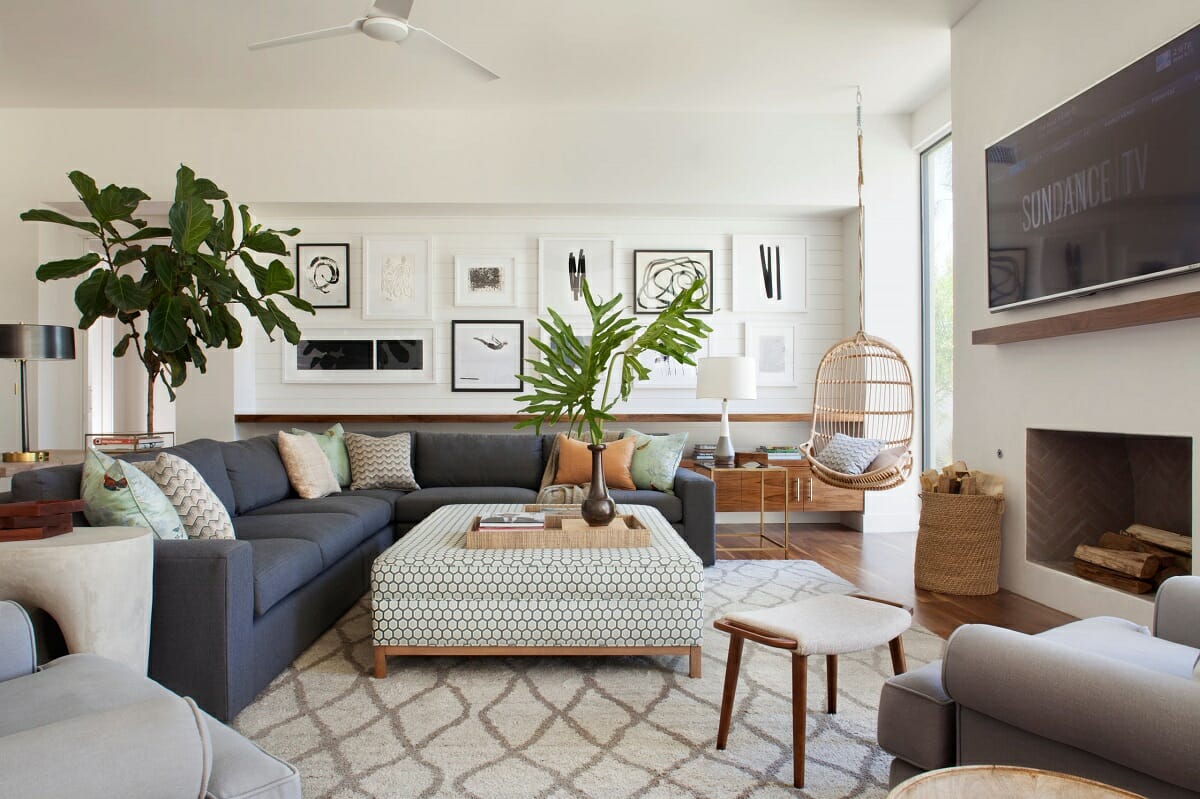

Furniture should do more than fill a room—it should support how you live every day. Choosing pieces that align with your habits, space, and long-term needs ensures comfort, durability, and visual harmony. When furniture matches your lifestyle, your home feels effortless rather than restrictive.
Understand How You Use Each Space
Before buying anything, evaluate how each room actually functions in your daily life.
Ask yourself:
- Do you entertain guests frequently or prefer quiet evenings?
- Is the space used by kids, pets, or multiple adults?
- Does the room serve more than one purpose?
Furniture that looks good but doesn’t support real use often leads to regret.
Choose Durability Based on Daily Wear
Lifestyle determines how tough your furniture needs to be.
Consider durable options if you have:
- Children or pets that cause spills and scratches
- High foot traffic in shared living areas
- Furniture that’s used daily, not occasionally
Look for solid frames, performance fabrics, and finishes designed to withstand wear without constant upkeep.
Match Furniture Scale to Your Space
Oversized furniture can overwhelm small rooms, while undersized pieces may feel disconnected in larger areas.
Smart sizing tips include:
- Measuring rooms and doorways before buying
- Leaving enough clearance for movement
- Choosing furniture proportional to ceiling height
Proper scale improves comfort and makes rooms feel balanced.
Select Materials That Fit Your Routine
Materials should align with how much time you want to spend maintaining them.
Low-maintenance materials include:
- Leather or faux leather for easy cleaning
- Performance fabrics that resist stains
- Engineered wood with protective finishes
If you prefer minimal upkeep, avoid delicate fabrics or high-gloss finishes that show wear quickly.
Balance Comfort with Style
Style matters, but comfort determines how often furniture gets used.
Focus on:
- Supportive seating with proper cushioning
- Dining chairs you can sit in comfortably for long meals
- Beds and sofas that match your relaxation habits
A visually stunning piece that’s uncomfortable won’t serve your lifestyle well.
Consider Flexibility for Changing Needs
Lifestyle changes over time, and furniture should adapt when possible.
Flexible furniture options include:
- Modular sofas that reconfigure easily
- Extendable dining tables
- Storage ottomans or nesting tables
Adaptable pieces help future-proof your home without frequent replacements.
Think About Storage and Organization
Clutter disrupts comfort. Furniture with built-in storage can simplify daily life.
Helpful storage-focused furniture includes:
- Beds with drawers underneath
- Media units with concealed storage
- Entryway benches with compartments
Good storage supports organization without sacrificing style.
Align Furniture with Your Personal Style
Your home should reflect who you are, not just trends.
To stay authentic:
- Choose colors and shapes you won’t tire of quickly
- Mix timeless pieces with a few expressive accents
- Prioritize function over fleeting trends
Personal style paired with practicality creates long-lasting satisfaction.
Final Thoughts
Choosing furniture that matches your lifestyle means blending function, comfort, durability, and style. When your furniture supports how you live—not how a showroom looks—your home becomes more comfortable, efficient, and enjoyable every day.
Frequently Asked Questions (FAQs)
How do I choose furniture for a multi-purpose room?
Look for modular or dual-function pieces that adapt easily, such as sofa beds or expandable tables.
Is it better to buy furniture sets or individual pieces?
Individual pieces offer more flexibility and allow you to tailor furniture to your specific lifestyle needs.
What furniture works best for people who work from home?
Ergonomic chairs, adjustable desks, and storage-friendly solutions help maintain comfort and productivity.
How can I make furniture choices more future-proof?
Choose neutral colors, durable materials, and flexible designs that can adapt to lifestyle changes.
Should lifestyle matter more than design trends?
Yes. Furniture should support daily living first; trends should enhance, not dictate, your choices.
How do I balance furniture comfort with limited space?
Opt for compact, well-proportioned furniture that offers comfort without overwhelming the room.
Can lifestyle-based furniture choices save money long-term?
Absolutely. Durable, functional furniture reduces replacement costs and prevents unnecessary purchases.

Comments are closed.