
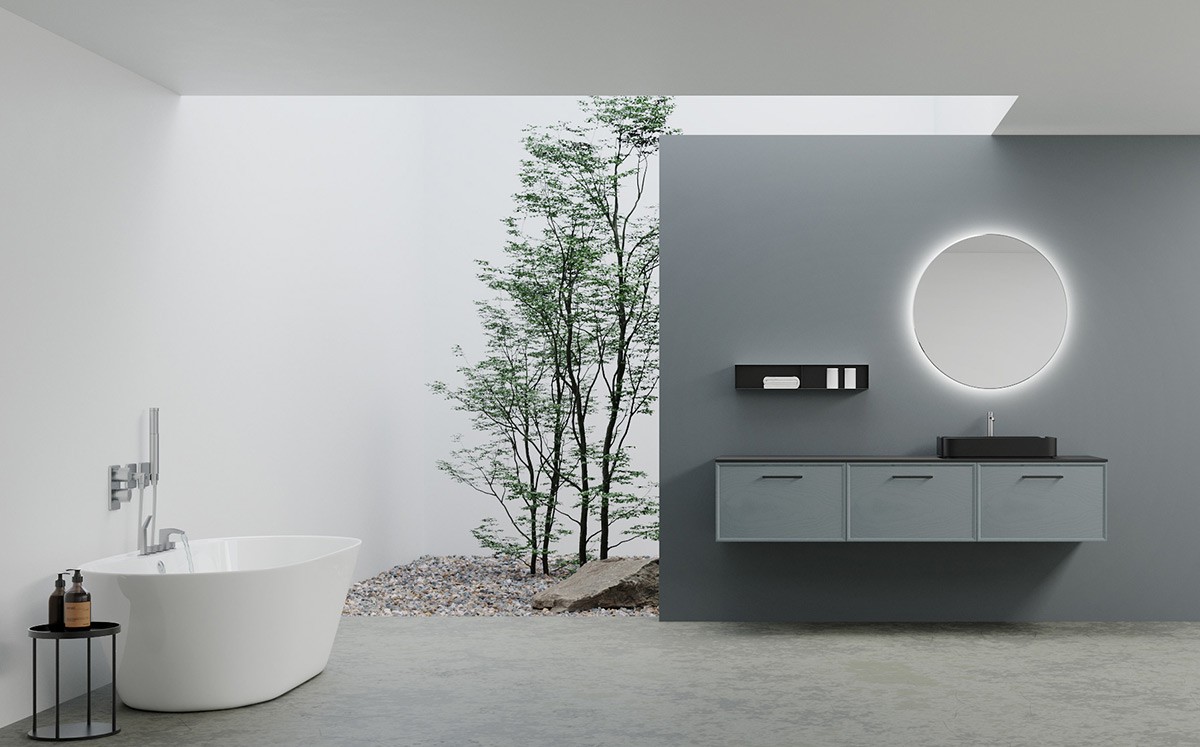

Interior design trends come and go, but few movements achieve the enduring harmony found in Japandi style. By blending the rustic warmth of Scandinavian functionality with the sleek, serene minimalism of Japanese aesthetics, Japandi creates spaces that promote calm and mindfulness. Applying these principles to the bathroom transforms a purely functional room into a restorative home spa. A minimalist Japandi bathroom is not merely about stripping away clutter; it is about curating a deliberate environment where every material, texture, and fixture serves a purpose.
The Philosophical Foundation of Japandi
To design an authentic Japandi space, understanding the underlying philosophy is essential. The style merges Scandinavian hygge, which emphasizes comfort, coziness, and well-being, with the Japanese concept of wabi-sabi, which finds beauty in imperfection, transience, and natural simplicity. In a bathroom setting, this philosophy translates into an atmosphere that feels grounded, unpretentious, and deeply connected to nature.
Instead of chasing sterile perfection, a Japandi bathroom embraces natural variations in materials. Honed stone might show subtle veining, wood surfaces display authentic grain patterns, and handcrafted ceramics exhibit minor organic irregularities. This philosophy shifts the focus of the room from a high-maintenance showpiece to a sanctuary designed for daily rituals and quiet reflection.
Muted Color Palettes Inspired by Nature
Color plays a foundational role in establishing the mood of a minimalist bathroom. Japandi color palettes draw heavy inspiration from the natural world, favoring earthy, muted tones that soothe the senses. Bright whites are often replaced by warm alabaster, soft beige, and creamy ivory to avoid a clinical feel.
Darker contrasting tones are introduced thoughtfully through fixtures, vanity frames, or accent tiles. Charcoal gray, deep forest green, and matte black provide a grounding anchor against lighter walls and floors. The key is to maintain a cohesive, low-contrast palette that allows the natural textures of the room to take center stage without visual distraction.
-
Warm Neutrals: Use soft beige, sand, and taupe as primary wall and floor colors to create an expansive, airy feel.
-
Earthy Accents: Incorporate muted terracotta, sage green, or warm clay through towels, ceramics, or small decor items.
-
Deep Contrasts: Apply matte black or brushed bronze hardware to add definition and modern structure to the space.
Embracing Natural Materials and Textures
Material selection is where the Japandi aesthetic truly comes alive. Because the color palette is restrained, texture becomes the primary design vehicle. Combining soft elements with hard, organic surfaces creates a tactile richness that elevates the minimalist design.
Wood is a staple in Japandi bathrooms, bringing warmth and organic comfort. Light oaks, ash, and Hinoki cypress are popular choices for vanities, shelving, and accent walls, provided they are treated to withstand high humidity. Stone, concrete, and unglazed ceramics further anchor the room in nature, offering a raw, honest beauty that synthetic materials cannot replicate.
Functional Minimalism and De-cluttering
Minimalism in a Japandi bathroom is rooted in intentional living. Every item on display should either serve a practical function or bring genuine joy. Countertops are kept entirely clear of plastic bottles and unnecessary products, promoting a sense of mental clarity as soon as you walk through the door.
Concealed storage is essential for maintaining this clean look. Recessed medicine cabinets, seamless handleless drawers, and custom vanity enclosures keep daily essentials tucked away out of sight. Open shelving is used sparingly, reserved for carefully curated items such as folded organic cotton towels, a single amber glass soap dispenser, or a minimalist ceramic vase holding a single botanical stem.
Lighting and Spatial Flow
Lighting in a Japandi bathroom mimics the gentle, diffused light found in nature. Harsh overhead glare is minimized in favor of layered lighting schemes that include wall sconces with frosted glass, backlit mirrors, and warm LED strip lighting hidden beneath floating vanities or architectural ledges.
Maximizing spatial flow is equally important. Large glass shower panels without bulky metal frames maintain an open line of sight, making compact bathrooms feel remarkably spacious. Freestanding bathtubs with clean, organic curves often serve as the sculptural centerpiece of the room, inviting long, meditative soaks.
Frequently Asked Questions
How do you protect wood furniture from moisture damage in a Japandi bathroom?
Protecting wood involves using moisture-resistant species like teak, oak, or hinoki cypress and finishing them with marine-grade varnishes, hardwax oils, or polyurethane sealants. Proper bathroom ventilation through an exhaust fan is also crucial to prevent prolonged humidity exposure.
Can the Japandi design style work in a very small bathroom?
Japandi is ideally suited for small bathrooms because its core principles revolve around space optimization, decluttering, and light color palettes. Minimalist fixtures, wall-mounted vanities, and frameless glass can make even a compact powder room feel expansive and serene.
What kind of tiles fit best into a Japandi bathroom aesthetic?
Large-format porcelain tiles with matte finishes, handmade zellige tiles with subtle color variations, and natural stone tiles like honed limestone or slate are excellent choices. Grout lines should be kept thin and color-matched to the tile for a seamless look.
How can I incorporate greenery into a windowless bathroom?
For bathrooms lacking natural sunlight, hardy indoor plants such as snake plants, pothos, or ZZ plants can thrive under standard artificial lighting. Alternatively, high-quality preserved moss panels or dried botanical stems offer the organic touch of nature without requiring sunlight.
What are the best hardware finishes for a Japandi style bathroom?
Matte black, brushed brass, and brushed nickel are the preferred hardware finishes. These metals provide an understated elegance that complements natural wood and stone surfaces without looking overly flashy or glossy.
How does Japandi differ from pure Scandinavian or traditional Japanese interior design?
While Scandinavian design focuses heavily on cozy minimalism and bright functionality, and traditional Japanese design relies on rustic austerity and Zen principles, Japandi combines the best of both worlds. It pairs the cozy, lived-in warmth of hygge with the refined, nature-centric simplicity of wabi-sabi.

Comments are closed.