
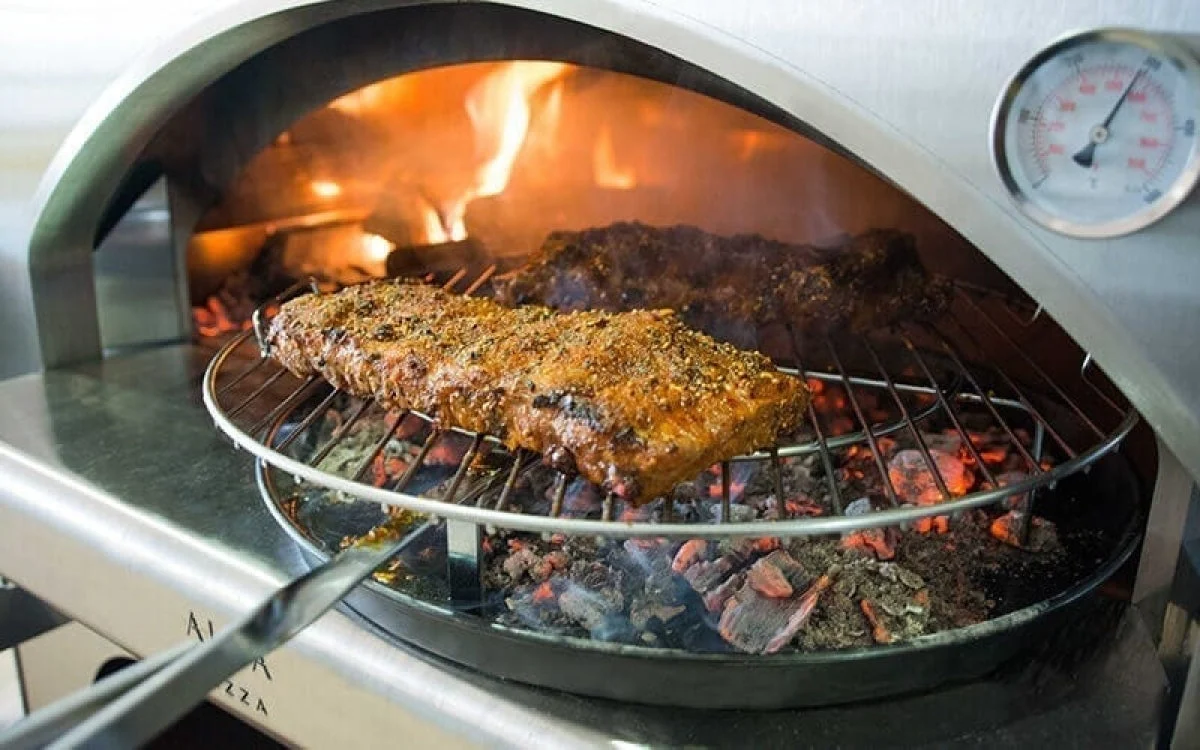

Where a small stack of wood becomes the start of dinner
A wood fire asks you to slow down. No button can copy that living rhythm at the heart of supper. You arrange the logs, strike a flame, and watch the oven wake up. Soon, the patio smells warm, and dinner feels less like a task. That ritual is part of the draw. Yet buying an oven takes more thought than picking a shape. Size, heat control, fuel, and cooking space all affect use. A backyard menu developed around Fontana wood-fired pizza ovens can include pizza, vegetables, bread, and meat. We wrote this guide to make those choices clear. We will explain how to match an oven to your plans. We will cover fire care and heat checks. By the end, you can shop with a list, not a vague wish.
Wood cooking has a learning curve. The flame changes as logs catch, settle, and turn to coals. Food reacts to the fire, air, and cooking stone. Too much? It becomes simple once you know what to watch. A good oven holds heat and leaves room to manage the flame. Dry hardwood helps the fire burn clean and steady. An infrared thermometer shows how hot the stone has become. A door and damper help guide heat and airflow. Those details shape how calm the cook feels. This guide turns them into steps for buying and lighting your first fire. Dinner gets a little smoky, in the best way. You gain a cooking space that rewards care, practice, and food shared outside.
How to choose an oven size that fits your cooking plans
Start with the meals you cook most. A compact oven may suit a small group. A wider chamber gives pans and bread more room. Count guests and dishes cooked together. Check the patio with the oven door fully open. Leave safe room around hot walls and the chimney. Decide whether a counter model or mobile stand fits. Then measure again, because patios have a funny way of shrinking.
- Note how many pizzas you want to cook at once.
- Measure the full spot, including space for the cook.
- Allow room for wood, tools, and hot pans.
- Check the surface strength before placing the oven.
Cooking style matters as much as guest count. One pizza at a time suits relaxed meals. Fast service needs more floor space and steady heat on busy nights. Large roasts need height and pan clearance. Think about where smoke travels on calm days. Keep the path clear of seats, pets, and play areas. The right size should support your habits without taking over the yard.
What a steady wood fire needs from lighting to live cooking
A useful fire begins before the match is struck. Choose dry hardwood that fits inside the chamber with ease. Keep kindling, logs, gloves, and tools within reach. Clear ash as the maker directs before you start. Good setup means less rushing once the flame grows.
Stage 1: Start with a clean, open path
Place dry kindling where air can reach it. Add small wood without packing it too tight. A loose stack catches more evenly and makes less fuss.
Stage 2: Build heat in calm steps
Add larger logs after the first pieces burn well. Let the chamber and cooking floor warm at their own pace. Avoid loading in too much fuel at once.
Stage 3: Move the fire for cooking space
Push the live fire toward one side when the oven is ready. This opens a clear area for pizza or cookware. Keep a bright flame for top heat and browning.
Stage 4: Feed the flame with a light hand
Add one dry log when the fire begins to fade. Watch the food, not just the flames. Small changes are easier to control than a sudden blaze.
Why the stone and chamber need separate heat checks
An oven can feel hot before its floor is ready. The chamber and stone may warm at different rates. Pizza on a cool floor may stay pale underneath. A hot floor can burn the base fast. Check several spots with an infrared thermometer. Let cool areas heat before the first pizza goes in. Turn food because the fire side cooks faster. These quick checks can save dinner.
- Read the stone near the center and both sides.
- Watch the crust color during the first minute.
- Rotate pizza with a proper turning peel.
- Give the floor time to recover between batches.
Heat control changes with the food. Pizza likes strong heat and a live flame. Bread needs a calmer chamber after the fire falls. Roasts and vegetables need steady heat over more time. The door and damper help hold or release heat. Keep brief notes from early cooks. Soon, the oven stops feeling unknown and starts feeling like your own.
Let each fire teach you something worth serving again
Wood-fired cooking is not about a perfect first try. It is about learning how fuel, stone heat, and timing work together. We can start with one meal, note what worked, and adjust next time. That habit builds skill without draining the fun. Choose an oven that fits your space, menu, and crowd. Keep dry hardwood nearby and let the cooking floor warm. Check the heat, then trust your eyes as food cooks. A crisp crust or deep roast offers useful feedback. Compare the sizes that suit your patio and the meals they can hold. Pick the setup that draws you outside, light a modest fire, and let dinner take shape.

Comments are closed.