
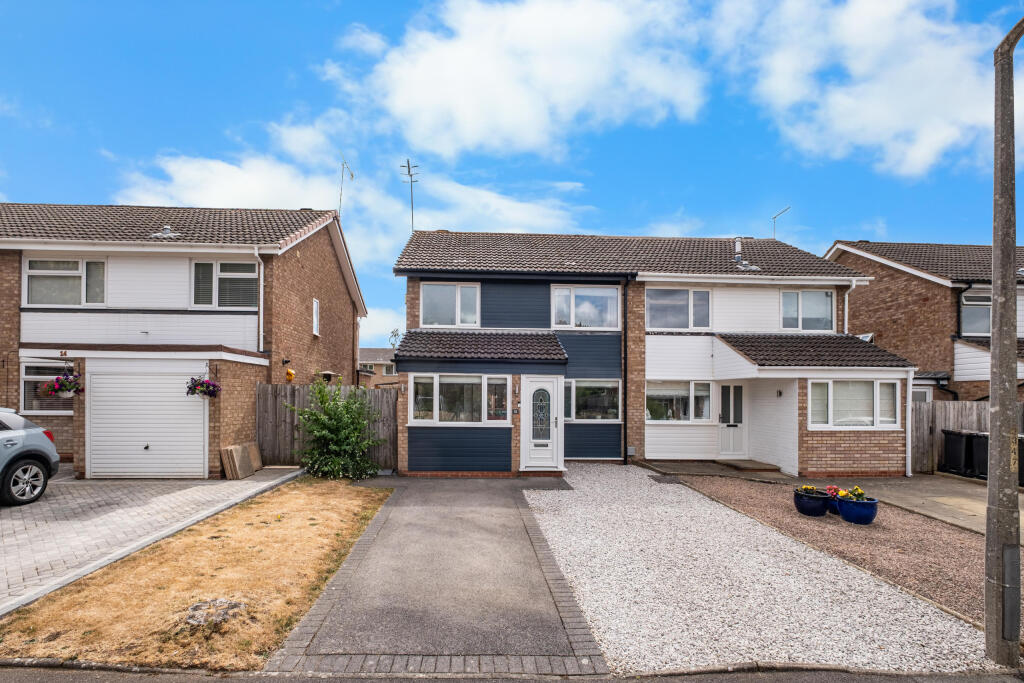

Spend a few years selling houses in Dunstable and you start to notice patterns that don’t show up in a quick online search. The town sits right on the M1, has Luton station a short drive away with trains into London in well under 40 minutes, and pulls in a steady stream of buyers who’ve simply had enough of paying London prices. Anyone searching for independent estate agents in Dunstable for buying a home will usually be weighing up exactly this — commuter access, more space for the money, and a town that still feels like a proper community rather than a dormitory suburb. We see this combination come up in almost every buyer conversation we have.
Why commuters keep choosing Dunstable
The M1 access is obvious enough, but the train link matters just as much. From Luton, journeys into London St Pancras take around 35 minutes, which puts Dunstable within a genuinely workable commute for anyone doing two or three office days a week. That’s brought in a consistent type of buyer over the past few years — people leaving London who want a garden, more bedrooms, and a bit of breathing room, without giving up the ability to get into the city reasonably fast.
First-time buyers make up the other big chunk of demand, mostly chasing flats and smaller terraces. It’s a slightly different priority set — affordability and low maintenance rather than space — but both groups keep the market moving at a decent pace.
Where the demand actually sits
Not every part of Dunstable performs the same way, and this is where experience really counts. Southwest Dunstable tends to see the strongest demand for family housing, partly because of the schools nearby and partly because it backs onto more green space than some of the more central streets. Buyers usually ask about school catchments early on in a viewing, sometimes before they’ve even asked about the kitchen.
Properties near parks or open land generally attract more interest too, which isn’t exactly surprising, but it does mean two similar houses a few streets apart can sell at noticeably different speeds depending on what’s nearby.
What the numbers actually show
Average values across Dunstable sit somewhere in the region of £325,000 to £340,000, though this shifts quite a bit depending on the specific street and property type. Detached houses pull the average up considerably, often trading well above £500,000, while flats sit at the other end, sometimes changing hands for under £200,000. That spread is worth remembering — a single town-wide average can flatten out some very different micro-markets underneath it.
One postcode pocket within Dunstable saw prices climb by over 30% in a single year recently, which sounds dramatic until you realise it’s based on a relatively small number of sales. Smaller sample sizes swing more, so it pays not to read too much into any single headline figure without checking what’s actually behind it.
Pricing correctly still matters more than anything else
Here’s something we say constantly: a well-presented, realistically priced home in Dunstable typically goes under offer within five to thirteen weeks, depending on the season and how much competing stock is on the market at the time. Overpriced homes don’t just sell a bit slower — they tend to sit noticeably longer and often end up selling for less than they would have if priced sensibly from day one. Buyers talk to each other, and a property that’s been listed for months starts to raise questions before anyone’s even walked through the door.
Presentation plays a bigger role than people expect too. Small things — decluttering, fixing an obviously tired bathroom, getting the garden tidy for photos — can shave real weeks off a sale. It’s not about spending a fortune, just about not giving buyers an easy reason to knock down an offer or walk away entirely.
Reading the market like someone who’s worked in it
None of this is complicated once you’ve seen a few hundred sales go through, but it’s easy to miss from the outside. Dunstable isn’t one market, it’s several overlapping ones — commuters chasing space, first-time buyers chasing affordability, and families chasing schools and green space, all shopping in the same town but for genuinely different things. Understanding which group, a particular property will appeal to, and pricing it accordingly, tends to be the difference between a quick, straightforward sale and a listing that drags on far longer than it should.

Comments are closed.