
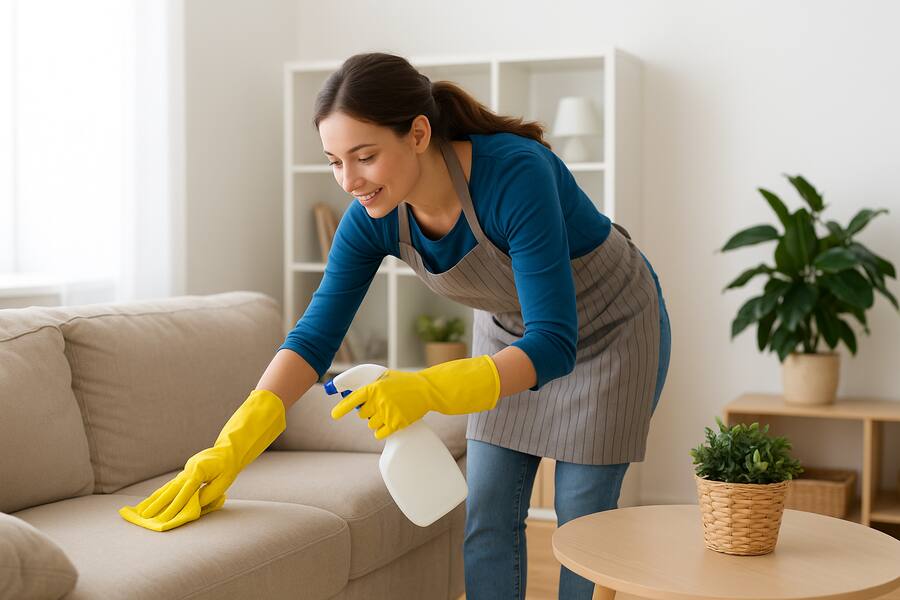

Keeping a home clean often feels like an endless cycle. The moment you finish tidying the kitchen, laundry piles up or dust settles on the living room shelves. Traditional cleaning methods usually involve spending hours of your weekend scrubbing, sweeping, and organizing. However, modern life demands a more efficient approach. Adopting smart cleaning strategies transforms household chores from an overwhelming burden into a streamlined, manageable routine that requires minimal effort.
Smart cleaning is not about working harder or buying endless cleaning products. It focuses on working smarter by leveraging habit formation, strategic scheduling, zoning, and modern technology. When you change how you approach housework, you save time, reduce stress, and maintain a consistently clean environment without sacrificing your weekends. This comprehensive guide outlines practical, highly effective strategies to revolutionize your home cleaning routine.
The Power of the Zone Cleaning Method
Cleaning an entire house in one single day is a surefire way to induce burnout. By the time you reach the final rooms, fatigue sets in, and the quality of your work drops significantly. Breaking your home down into manageable zones creates a sustainable rhythm that keeps every space orderly throughout the month.
-
Divide and Conquer: Split your house into logical zones such as the kitchen, bathrooms, bedrooms, and living areas. Assign a specific week of the month to focus deeply on each zone.
-
Targeted Deep Dives: Instead of surface tidying every room daily, dedicate your scheduled weekly time to deep cleaning that specific zone. Clean baseboards, wipe down cabinet doors, and wash windows only within that designated area.
-
Prevent Overwhelm: Focusing on one distinct zone at a time keeps your daily cleaning sessions short, usually lasting between fifteen to twenty minutes.
-
Maintain Balance: When every zone receives focused attention on a rotating schedule, your entire house stays consistently clean without requiring massive weekend cleaning marathons.
Embracing Micro-Habits and the Touch-Once Rule
The easiest way to reduce heavy cleaning is to prevent clutter and mess from accumulating in the first place. Small micro-habits executed consistently throughout the day eliminate the need for massive catch-up sessions later.
-
Adopt the Touch-Once Rule: When you handle an item, deal with it completely rather than setting it down for later. Put your shoes away immediately upon entering the house, hang up your coat, and put mail straight into the recycling bin or filing folder.
-
Clean As You Go: While cooking dinner, wash prep utensils and load the dishwasher while food simmers. Wiping down the counters immediately after cooking prevents food from drying out and turning into a stubborn mess.
-
The Two-Minute Rule: If a task takes less than two minutes to complete, such as wiping down the bathroom sink or folding a stray blanket, do it immediately. These tiny actions prevent minor messes from snowballing into major chores.
-
Morning and Evening Resets: Spend five minutes every morning making your bed and five minutes every evening clearing the living room coffee table. These two simple resets anchor your day and keep your home visually calm.
Implementing the Top-to-Bottom and Left-to-Right Rules
Efficiency in cleaning relies heavily on physics and geometry. If you clean randomly, you will likely knock dust and debris onto surfaces you have already wiped, forcing you to redo your work.
-
Always Work Top to Bottom: Gravity dictates that dust and dirt fall downward. Always clean ceiling fans, light fixtures, high shelves, and upper cabinets before tackling furniture, countertops, and floors.
-
Sweep Left to Right or Clockwise: When wiping down a room, move systematically around the perimeter in one direction. This ensures you never miss a spot or waste energy backtracking across the room.
-
Consolidate Your Supplies: Carry a caddy containing all your necessary cleaners, sponges, and microfiber cloths from room to room. Wasting time walking back to the utility closet to retrieve a missing sponge breaks your momentum and slows you down.
-
Pre-Soak Tough Areas: Spray your shower, bathtub, and kitchen stovetop with cleaning solution first, then walk away for ten minutes. Let the chemicals or natural solutions break down grease and grime while you tackle lighter dusting elsewhere.
Leveraging Technology and Smart Appliances
Modern technology offers incredible tools designed to minimize manual labor. Integrating automated devices into your household maintenance routine frees up hours of your free time every week.
-
Deploy Robotic Vacuums: Schedule a robotic vacuum to run daily while you are at work or asleep. These devices maintain hard floors and low-pile carpets effortlessly, keeping daily dust and pet hair under control.
-
Utilize Smart Dishwashers and Washers: Program your dishwasher and washing machine to run during off-peak energy hours using delay-start features. Emptying the dishwasher first thing in the morning makes reloading dirty breakfast dishes seamless.
-
Invest in Cordless Stick Vacuums: Heavy corded vacuums often discourage quick cleanups because of the hassle of plugging and unplugging. A lightweight, cordless stick vacuum encourages you to address accidental spills and crumbs immediately.
-
Automate Air Filtration: Place smart air purifiers in high-traffic rooms. They capture airborne dust, pet dander, and allergens continuously, significantly reducing the amount of physical dust settling on your furniture.
Streamlining Your Cleaning Supply Inventory
Many households waste money and storage space on dozens of specialized chemical cleaners. In reality, most surfaces in your home can be maintained safely and effectively with just a few versatile products.
-
Focus on Multipurpose Products: Replace single-use cleaners with high-quality multi-surface sprays. A reliable pH-neutral cleaner can handle countertops, tile, glass, and wood surfaces safely.
-
Embrace Microfiber Technology: High-grade microfiber cloths lift and trap dust, grease, and bacteria using little to no chemical spray. They reduce streaking and last for hundreds of washes when cared for properly.
-
Keep Recipes Simple: Stock basic staples like white vinegar, baking soda, and dish soap. These natural ingredients cut through grease, unclog drains, and deodorize carpets effectively without harsh fumes.
-
Declutter Your Caddy: Limit your active cleaning arsenal to what fits inside a single portable caddy. If a product does not serve multiple purposes, consider removing it from your cleaning rotation.
Frequently Asked Questions
How can I motivate myself to clean when I feel completely exhausted?
Set a strict timer for ten minutes and commit to cleaning only until the alarm goes off. Breaking tasks into tiny, time-boxed increments lowers the psychological barrier to starting. Once you begin, momentum often takes over, but giving yourself permission to stop after ten minutes prevents burnout.
What is the best way to handle family members who do not clean up after themselves?
Establish clear, collaborative routines rather than nagging. Hold a brief family meeting to assign age-appropriate daily tasks, such as clearing dinner plates or taking out the recycling. Creating a visual chore chart or linking cleaning completion to shared privileges can also encourage accountability among household members.
How often should I wash household items like pillows and curtains?
Bed pillows should generally be washed every three to six months to remove accumulated dust mites and body oils. Fabric curtains and drapes benefit from a thorough washing or professional cleaning once or twice a year, depending on whether your home is located near dusty roads or high-traffic areas.
Can natural cleaners like vinegar damage certain household surfaces?
Yes, acidic cleaners like white vinegar can permanently etch and dull natural stone surfaces such as marble, granite, and travertine, as well as damage unsealed hardwood floors. Always check manufacturer guidelines before applying acidic or DIY solutions to delicate or premium surfaces in your home.
How do I stop clutter from accumulating on flat surfaces like counters and tables?
Flat surfaces naturally attract random items because they are easily accessible. Combat this tendency by placing a designated drop zone basket near your entryway or mudroom for daily items like keys and mail. Keeping flat surfaces intentionally styled with decor objects also leaves less physical room for clutter to pile up.
Is it better to clean a little bit every day or do one big weekly clean?
A hybrid approach works best for most households. Maintaining small daily micro-habits, such as wiping counters and running the dishwasher, prevents mess from building up. Pairing these daily habits with a single weekly session for floors, bathrooms, and dusting keeps your home clean without requiring exhausting daily chores.
How can I keep my house smelling fresh without using artificial air fresheners?
Artificial air fresheners often mask odors with synthetic chemicals and volatile organic compounds. Instead, open windows daily for ten to fifteen minutes to promote healthy cross-ventilation. You can also simmer citrus peels and herbs on the stove, use natural essential oil diffusers, or place bowls of baking soda in odor-prone areas like closets and refrigerators.

Comments are closed.