
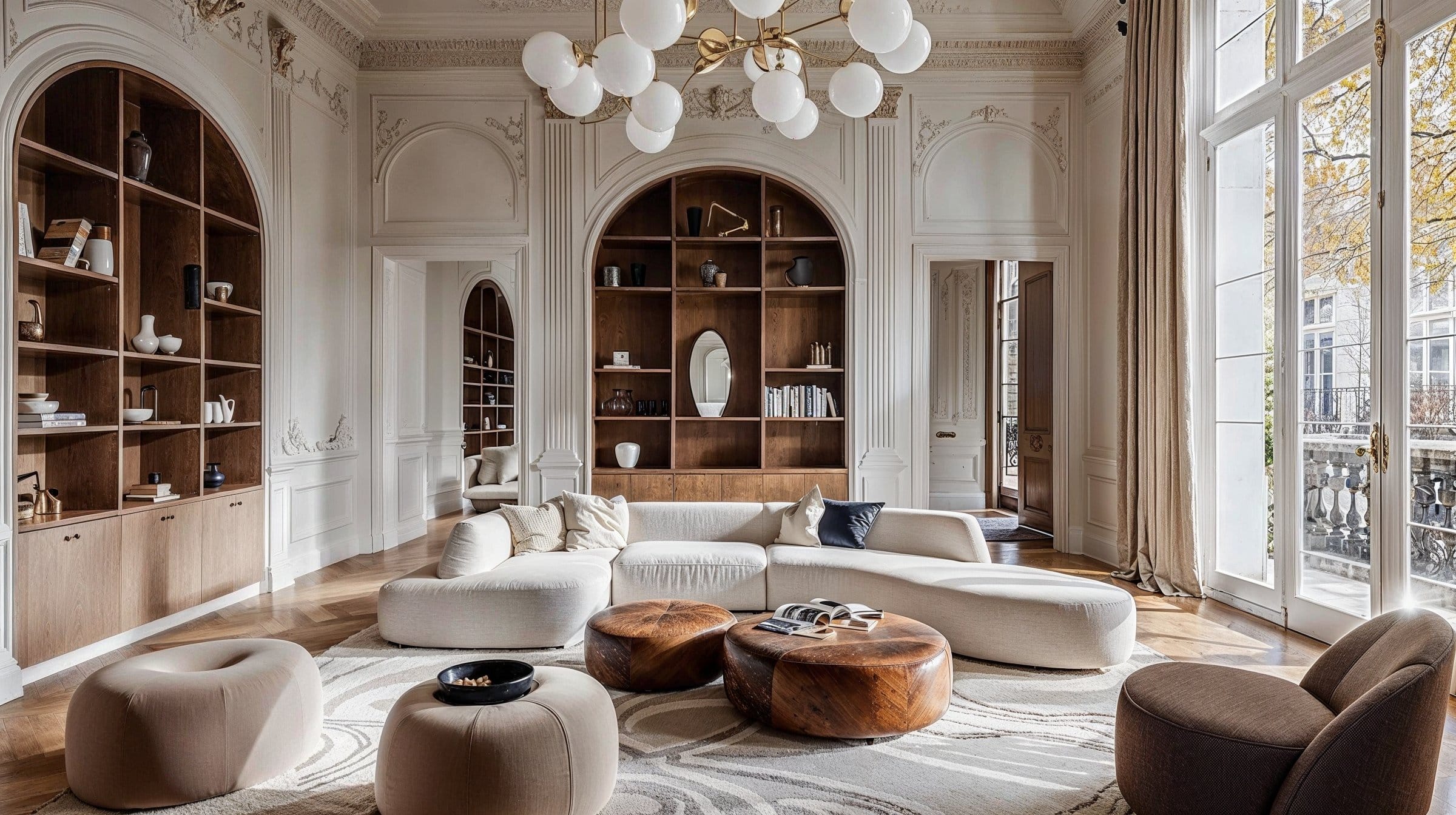

Trends come and go, but certain interior design principles remain relevant decade after decade. These timeless approaches focus on balance, comfort, and functionality, ensuring your home feels stylish without needing constant updates. Investing in classic design choices creates spaces that age gracefully and adapt easily to changing tastes.
Neutral Color Palettes
Neutral tones form the backbone of timeless interior design. They provide flexibility, calmness, and enduring appeal.
Why neutral colors last:
- Work well with any decor style
- Make rooms feel brighter and more spacious
- Allow easy updates through accessories
Shades like beige, gray, white, and soft taupe create a reliable foundation that never feels outdated.
Quality Over Quantity
Timeless interiors prioritize craftsmanship rather than excess.
Key principles include:
- Fewer, well-made furniture pieces
- Durable materials that age beautifully
- Thoughtful placement instead of overcrowding
Well-constructed furniture maintains its appeal far longer than trend-driven alternatives.
Natural Materials and Textures
Nature-inspired elements consistently stand the test of time.
Classic natural materials include:
- Wood with visible grain
- Stone and marble surfaces
- Linen, cotton, and wool textiles
These materials add warmth and authenticity, creating spaces that feel grounded and inviting.
Simple and Functional Layouts
A functional layout is always in style.
Timeless layout characteristics:
- Clear walking paths
- Furniture arranged for conversation and comfort
- Balance between open space and purpose
Designs that support daily living remain relevant regardless of changing aesthetics.
Classic Patterns and Subtle Details
Patterns can be timeless when used thoughtfully.
Enduring pattern choices include:
- Stripes
- Subtle florals
- Checks and herringbone designs
Used sparingly, these patterns add character without overwhelming the space.
Layered Lighting Design
Good lighting never goes out of style because it enhances both function and mood.
A timeless lighting approach includes:
- Ambient lighting for overall brightness
- Task lighting for practical use
- Accent lighting to highlight features
Layered lighting adapts easily to different needs and seasons.
Comfortable, Livable Furniture
Furniture should invite use, not just admiration.
Timeless furniture traits:
- Comfortable proportions
- Supportive seating
- Upholstery in classic colors
Comfort-focused design ensures longevity and everyday enjoyment.
Personal Touches That Tell a Story
Homes with character never feel dated.
Personal elements that endure:
- Artwork with meaning
- Family photos displayed thoughtfully
- Travel souvenirs used as accents
Authentic personal touches create emotional value that trends can’t replace.
Final Thoughts
Interior design trends that never go out of style share one common thread: intentional simplicity. By focusing on quality materials, neutral foundations, functional layouts, and personal expression, you create a home that feels current today and relevant for years to come.
Frequently Asked Questions (FAQs)
Can timeless design still feel modern?
Yes. Timeless design provides a classic base that can easily incorporate modern accents without losing appeal.
Are neutral interiors boring over time?
Not when layered with textures, lighting, and personal details that add depth and interest.
How do I avoid my home looking outdated?
Focus on classic furniture shapes, neutral colors, and quality materials instead of trendy finishes.
Is timeless interior design more expensive?
Not necessarily. While quality pieces may cost more upfront, they often save money long-term through durability.
Can small homes benefit from timeless design principles?
Absolutely. Timeless layouts and neutral colors often make small spaces feel larger and more cohesive.
How often should timeless interiors be updated?
Major changes are rarely needed. Small updates through decor or textiles keep the space fresh.
Do timeless interiors work with different architectural styles?
Yes. Timeless principles adapt well to modern, traditional, and transitional homes alike.

Comments are closed.