
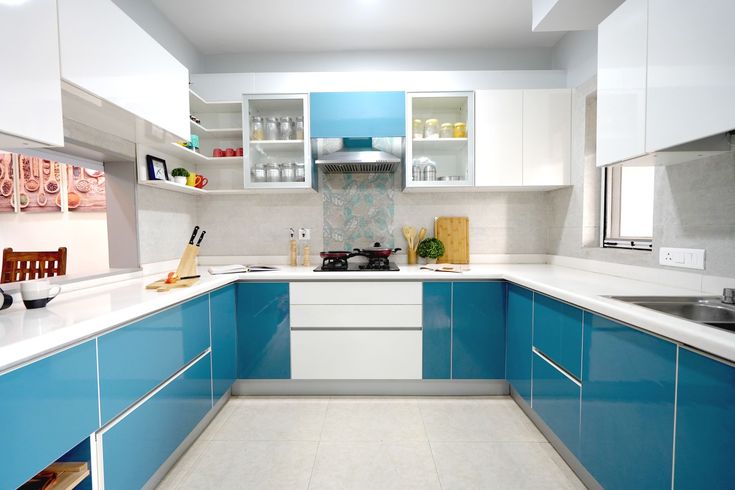

A well-designed kitchen goes beyond aesthetics. True success lies in how efficiently the space supports daily cooking, cleaning, and storage needs. Thoughtful design choices can reduce clutter, save time, and make the kitchen more enjoyable to use—regardless of size or style.
Prioritize an Efficient Kitchen Layout
The layout determines how smoothly tasks flow.
Highly functional layouts include:
- Galley kitchens for compact efficiency
- L-shaped kitchens for flexibility
- U-shaped kitchens for maximum workspace
A practical layout minimizes unnecessary movement and improves productivity.
Apply the Kitchen Work Triangle Concept
The work triangle connects the sink, stove, and refrigerator for optimal efficiency.
Benefits of a well-planned work triangle:
- Reduces walking distance
- Prevents overcrowding
- Improves cooking flow
While modern kitchens may adapt this concept, its principles remain valuable for functionality.
Maximize Storage with Smart Cabinet Solutions
Storage is a major contributor to kitchen usability.
High-function storage ideas include:
- Pull-out pantry shelves
- Deep drawers for pots and pans
- Vertical dividers for trays and cutting boards
Well-organized cabinets reduce clutter and make items easier to access.
Choose Countertops That Support Daily Use
Countertops should balance durability with practicality.
Functional countertop considerations:
- Heat- and scratch-resistant materials
- Sufficient prep space near cooking areas
- Easy-to-clean surfaces
A well-planned countertop layout supports both cooking and cleanup.
Improve Lighting for Task Efficiency
Poor lighting can make even a large kitchen feel inefficient.
Effective kitchen lighting includes:
- Under-cabinet lighting for food prep
- Overhead ambient lighting
- Focused task lighting near work zones
Good lighting improves safety and precision during cooking.
Integrate Functional Appliances Thoughtfully
Appliance placement directly affects workflow.
Smart appliance planning tips:
- Place dishwashers near sinks
- Ensure oven doors don’t block walkways
- Choose built-in appliances for seamless movement
Efficient placement saves time and prevents congestion.
Design Zones for Specific Tasks
Task-based zoning improves organization.
Common kitchen zones include:
- Food prep zone
- Cooking zone
- Cleaning zone
- Storage zone
Zoning keeps tools and ingredients where they’re needed most.
Optimize Small Kitchens with Space-Saving Features
Even small kitchens can be highly functional.
Space-saving ideas include:
- Fold-down counters or tables
- Wall-mounted storage
- Slim appliances
Smart design ensures no space goes unused.
Select Durable, Easy-to-Clean Finishes
Functionality improves when maintenance is simple.
Low-maintenance finishes include:
- Matte or satin cabinet finishes
- Non-porous backsplashes
- Fingerprint-resistant hardware
Easy upkeep keeps the kitchen efficient over time.
Final Thoughts
Functional kitchen design focuses on flow, organization, and usability. By improving layout, storage, lighting, and zoning, you create a kitchen that supports daily tasks effortlessly. A well-functioning kitchen doesn’t just look good—it works better every day.
Frequently Asked Questions (FAQs)
What is the most functional kitchen layout?
The most functional layout depends on space, but L-shaped and U-shaped kitchens often offer excellent efficiency.
How can I improve functionality without remodeling?
Adding better storage organizers, improving lighting, and rearranging appliances can make a big difference.
Is open shelving functional in kitchens?
Open shelving works best for frequently used items but should be balanced with closed storage to reduce clutter.
How much counter space does a functional kitchen need?
Adequate prep space near cooking and sink areas is more important than total counter length.
Do smart kitchen appliances improve functionality?
Yes. Smart appliances can save time, improve efficiency, and simplify daily tasks.
What flooring works best for a functional kitchen?
Durable, slip-resistant, and easy-to-clean flooring materials are ideal for high-use kitchens.
How do I design a functional kitchen for multiple users?
Wide walkways, multiple prep zones, and thoughtful appliance placement help accommodate more than one cook comfortably.

Comments are closed.