
How High Home Water Pressure Silently Destroys Appliances and Valve Seals

Strong water pressure feels great during a morning shower, which is why most homeowners never think twice about how hard water pushes through their pipes. Behind walls and inside appliance cabinets, however, excessive water pressure acts like a relentless mechanical stress test that runs twenty-four hours a day.
Normal residential water pressure sits between 40 and 60 pounds per square inch (psi), with 80 psi widely recognized as the upper safety ceiling in residential plumbing systems. Once pressure climbs past 80 psi, every rubber washer, solenoid valve, braided supply line, and internal appliance tank in your home absorbs force it was never engineered to hold. The damage rarely announces itself with a dramatic burst right away; instead, it wears down seals from the inside out until sudden leaks or premature appliance failures appear years ahead of schedule.

Why High Water Pressure Happens Without Warning

Many homeowners assume water pressure only fluctuates if they adjust something inside the house, yet supply pressure often changes outside your control. Municipal water utilities frequently maintain high main-line pressure—sometimes 100 psi or higher—to push water uphill, serve multi-story buildings, and keep fire hydrants properly pressurized across sprawling neighborhoods.
If your home sits at the bottom of a hill, near a municipal pumping station, or in a developing area where utility crews recently upgraded water mains, incoming pressure can spike significantly. Inside the house, a failing pressure-reducing valve (PRV) is another leading culprit. Most PRVs last roughly seven to twelve years before internal springs weaken or mineral sediment jams the mechanism, quietly letting full street pressure flood your household plumbing.
Thermal expansion adds a second layer of hidden stress. When a tank-style water heater warms cold incoming water, that water expands in volume. In homes equipped with a check valve or backflow preventer that stops expanded water from pushing back toward the city main, pressure inside your pipes surges every time the water heater fires unless a working thermal expansion tank absorbs the excess volume.

How Excess Pressure Wrecks Appliance Valves and Seals

Modern household appliances rely on compact, electrically controlled inlet valves, thin elastomeric diaphragms, and precision O-rings to meter water accurately. When static pressure exceeds 80 psi, those components face constant mechanical distortion even when appliances sit idle.

Washing Machines and Dishwashers

Washing machines and dishwashers use solenoid-operated water inlet valves that snap open and shut rapidly during fill cycles. Under excessive line pressure, two destructive things happen at once. First, constant force presses against the small rubber diaphragm inside the closed valve, causing it to stretch, harden, or tear prematurely. A weeping inlet valve often shows up first as water slowly pooling inside a washing machine drum or dishwasher tub between loads.
Second, when those fast-acting solenoid valves slam shut against high-pressure water moving at high velocity, the sudden stop creates a shockwave known as water hammer. That violent pressure spike rattles pipes inside walls, loosens threaded fittings, and hammers internal valve seats until they crack or fail to seal cleanly.

Water Heaters and Relief Valves

Your water heater absorbs some of the harshest consequences of unchecked water pressure. Every tank-style water heater includes a temperature and pressure (T&P) relief valve designed to open automatically if internal tank pressure climbs too high—typically around 150 psi—or temperatures reach unsafe levels.
When household pressure hovers at 85 or 95 psi and thermal expansion pushes it even higher during heating cycles, the T&P valve begins weeping intermittently onto the floor or through its discharge pipe. Repeated opening deposits mineral scale across the valve seat, preventing it from closing tightly and shortening the life of the heater’s internal glass lining and weld seams. Tankless water heaters are not immune either; excessive inlet pressure stresses internal flow sensors, heat exchanger gaskets, and bypass valves.

Refrigerator Ice Makers and Water Dispensers

Refrigerators connect to household plumbing through narrow quarter-inch tubing—often soft copper or plastic—feeding a delicate internal water inlet valve. High pressure puts continuous strain on compression fittings behind the fridge, where small drips can soak subflooring for months before becoming visible.
Inside the refrigerator, excess pressure prevents the ice maker valve from closing cleanly, causing overfilled ice trays, frozen water lines, or steady drips inside the freezer compartment. Built-in water filter housings can also crack or blow out O-rings when subjected to repeated pressure surges.

Faucets, Toilets, and Supply Lines

Plumbing fixtures across bathrooms and kitchens suffer the same gradual breakdown:
  • Toilet fill valves: High pressure forces water past the rubber seal inside the fill valve, leading to phantom flushing, constant running, or water overflowing into the overflow tube.

  • Faucet cartridges: Ceramic disks and rubber O-rings inside single-handle faucets wear down faster, producing persistent drips from the spout or leaks around the base of the handle.

  • Flexible braided supply lines: Although stainless-steel braiding reinforces the exterior, the inner rubber core expands under high static pressure and can rupture without warning, especially on older lines under sinks and behind toilets.

Warning Signs Your Home Water Pressure Is Too High

Because pressure creep happens gradually, homeowners often mistake early symptoms for isolated bad luck with appliances. Watching for patterns across your plumbing system helps catch elevated pressure before a major leak occurs:
  • Banging or thudding pipes: Loud knocking noises inside walls right when a washing machine stops filling or a faucet shuts off quickly.

  • Short appliance lifespans: Replacing a washing machine inlet valve, refrigerator water valve, or water heater well before its expected service life.

  • Constantly running toilets: Needing to replace toilet flappers or fill valves every year or two across multiple bathrooms.

  • Dripping water heater relief valve: Moisture or mineral crust forming beneath the water heater’s T&P discharge pipe.

  • Spitting or forceful faucets: Water splashing aggressively out of aerators or sputtering briefly when taps first open.

How to Test and Protect Your Plumbing System

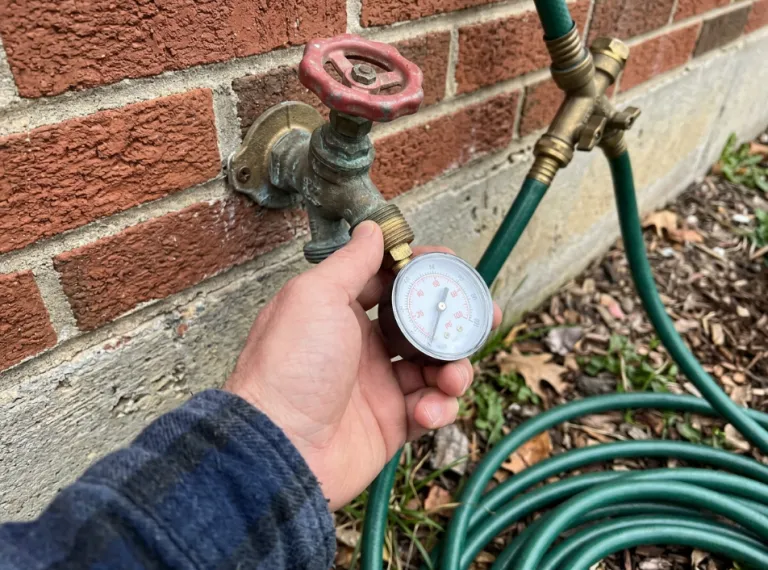
Checking your home’s water pressure takes less than two minutes and requires an inexpensive water pressure gauge available at any hardware store. Thread the gauge onto an exterior hose bib—ideally one located close to where the main water line enters the house—and make sure no faucets, sprinklers, or appliances are running inside.
Open the outdoor spigot fully and read the dial. A reading between 50 and 65 psi sits right in the sweet spot for strong flow without stressing seals. If the needle climbs past 75 or 80 psi, or if a lazy-hand test gauge shows overnight spikes above 80 psi while water heats up, your system needs pressure regulation.
Installing a dedicated pressure-reducing valve on the main supply line—or replacing an aging PRV that has stopped regulating—brings incoming street pressure down to a safe, steady 55 to 60 psi. Pairing that regulator with a properly pressurized thermal expansion tank near the water heater prevents heating cycles from spiking pressure inside closed plumbing loops, while water hammer arrestors near washing machines cushion sudden valve closures. Taking control of water pressure costs far less than replacing ruined flooring or burned-out appliances—and keeps every seal in your home working the way it was built to last.

Comments are closed.