
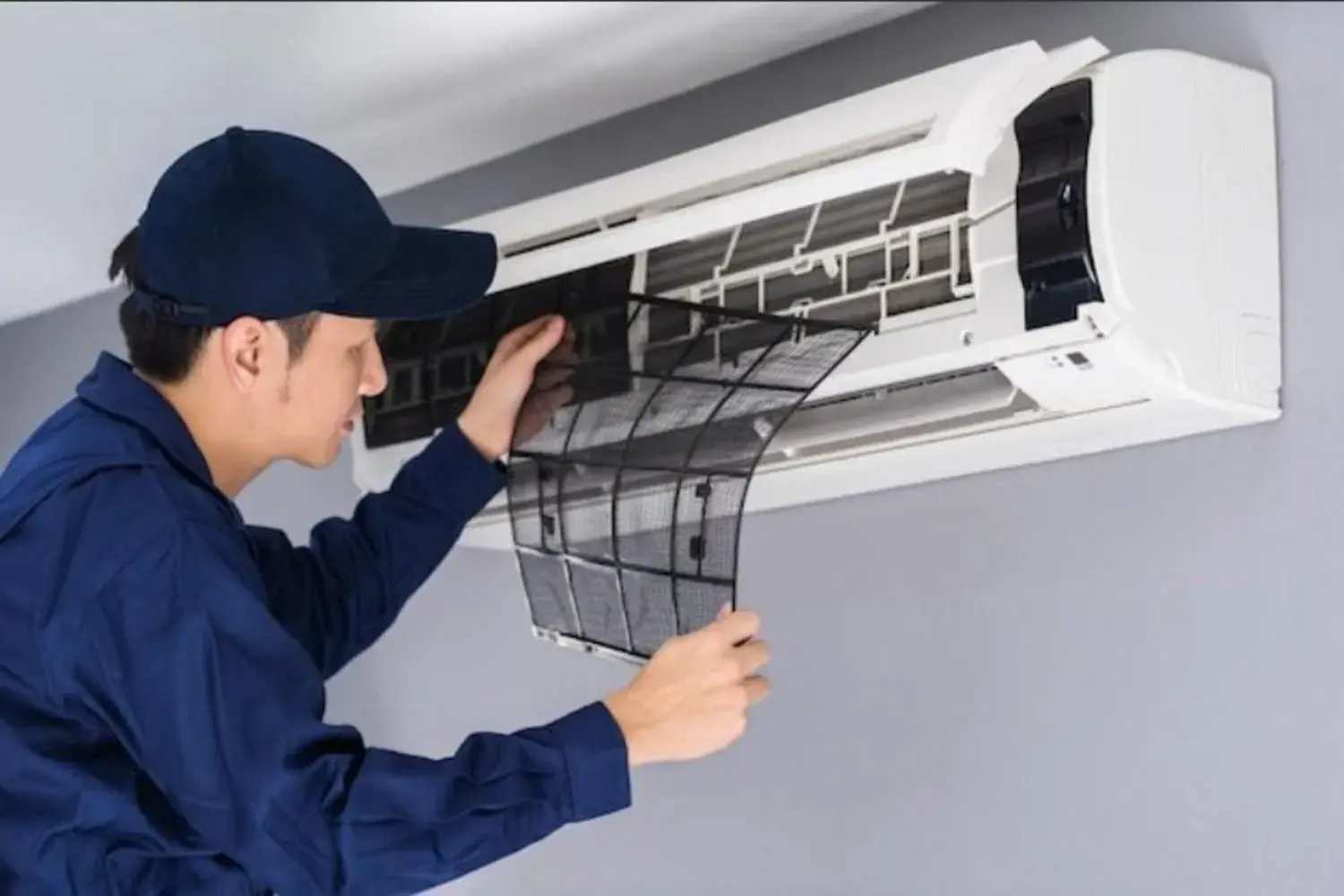

As energy bills continue to rise and environmental concerns grow, homeowners are increasingly looking for ways to keep their homes cool without excessive costs. Professional AC repair experts know that a well-maintained air conditioning system can deliver significant savings while maintaining comfort throughout the warmer months. Their practical insights, drawn from years of hands-on experience, go far beyond basic advice and focus on real-world efficiencies that make a measurable difference.
Effective energy management with air conditioning starts with understanding how these systems work and where inefficiencies typically creep in. Minor issues, such as dirty filters or poor insulation, can force units to work harder, driving up consumption. By adopting strategies recommended by specialists, households can reduce energy use by 20-30% or more, depending on the setup and climate.
The Importance of Routine Maintenance
One of the most effective ways to save energy is through consistent maintenance. Professional technicians regularly highlight that neglected systems lose efficiency rapidly. Dust, debris, and refrigerant leaks can reduce performance by as much as 15-20%, forcing the compressor to run longer cycles.
Scheduling annual servicing ensures coils are clean, refrigerant levels are optimal, and components function smoothly. Simple tasks like clearing outdoor unit obstructions also help. When systems operate at peak efficiency, they reach the desired temperature faster and cycle off sooner, directly lowering electricity usage. Many experts recommend combining professional checks with basic homeowner upkeep for the best results.
Optimise Your Thermostat Settings
Small adjustments to temperature settings yield impressive savings. Most professionals advise setting the thermostat to 24-26°C during summer occupancy, with an increase of a few degrees when the house is empty. Every degree lower can increase energy consumption by 8-10%.
Programmable or smart thermostats take this further by learning household patterns and adjusting automatically. Avoid drastic drops in temperature upon returning home; instead, allow the system to reach comfort gradually. Ceiling fans can make a room feel 2-3°C cooler, enabling higher thermostat settings without sacrificing comfort. This combination of technology and behaviour is a favourite recommendation among seasoned repair teams.
Clean or Replace Filters Regularly
Clogged air filters are among the most common culprits behind high energy bills. When airflow is restricted, the system must work harder to circulate air, increasing wear and electricity demand. Experts suggest checking filters monthly during peak seasons and replacing them every 1-3 months, depending on household factors like pets or dust levels.
High-quality filters not only improve efficiency but also enhance indoor air quality by trapping allergens. This straightforward task is one that delivers immediate results and extends the lifespan of the entire unit.
Improve Home Insulation and Sealing
Even the most advanced air conditioning system struggles in a poorly insulated home. Gaps around windows, doors, and ducts allow cool air to escape while warm air infiltrates. Professional AC repair experts often identify duct leaks as a hidden source of inefficiency, sometimes accounting for 20-30% of energy loss.
Simple measures like weatherstripping, draught excluders, and attic insulation make a substantial difference. Curtains or blinds can block solar heat gain during the day, reducing the cooling load. In newer properties, ensuring proper ductwork sealing during installation prevents long-term waste.
Leverage Natural Cooling and Ventilation
Strategic use of windows and fans can lessen reliance on mechanical cooling. Open windows in the early morning or evening when outdoor temperatures drop, creating natural cross-ventilation. Exhaust fans in kitchens and bathrooms help remove hot, humid air.
Whole-house fans or strategically placed portable fans complement central systems effectively. By circulating air, these reduce the frequency of AC compressor operation. In milder conditions, relying on these methods can eliminate the need for air conditioning altogether on certain days.
Choose Energy-Efficient Equipment
When upgrading or replacing units, efficiency ratings matter significantly. Look for systems with high Seasonal Energy Efficiency Ratio (SEER) values. Modern inverter technology adjusts output precisely rather than running at full capacity constantly, offering quieter operation and lower consumption.
AC repair experts frequently advise against oversizing units, as this leads to short cycling frequent on-off patterns that waste energy and reduce dehumidification effectiveness. Proper sizing matched to the home’s square footage and insulation levels ensures optimal performance.
Embrace Smart Technology and Zoning
Smart controls represent a major advancement in energy management. Wi-Fi-enabled thermostats allow remote adjustments and provide usage reports, helping identify wasteful patterns. Zoning systems direct cooling only to occupied areas, avoiding unnecessary work in empty rooms.
These technologies integrate well with existing setups and often pay for themselves through reduced bills within a few seasons. Many professionals now recommend them during routine service visits as a forward-thinking upgrade.
Seasonal Preparation and Usage Habits
Preparing the system before peak summer heat prevents last-minute inefficiencies. This includes shade for outdoor units, clear drainage lines, and verifying insulation on indoor ducts. During operation, keep vents open and unobstructed to maintain balanced airflow.
Behavioural changes also contribute: closing doors to unused rooms, using appliances that generate heat (like ovens) in the cooler parts of the day, and opting for LED lighting all reduce the overall cooling demand. Small habits accumulate into noticeable savings over months.
When to Call the Professionals
While many energy-saving steps are DIY-friendly, certain issues require expert intervention. Unusual noises, uneven cooling, rising bills despite normal use, or ice formation on coils signal problems best addressed promptly. Early repairs prevent minor faults from escalating into major energy drains or system failures.
Regular professional assessments also provide tailored advice specific to your climate, home layout, and equipment type insights that generic guides cannot match.
Long-Term Benefits and Sustainability
Implementing these tips not only cuts immediate costs but also extends equipment life and reduces carbon footprint. A well-maintained, efficient air conditioning system uses less power, placing less strain on the grid and contributing to broader environmental goals.
Many households report 15-40% reductions in cooling-related energy bills after adopting comprehensive strategies. The key lies in consistency combining maintenance, smart settings, and home improvements rather than relying on any single measure.
In conclusion
Energy savings with air conditioning come from a blend of professional expertise and informed homeowner actions. By following guidance from experienced AC repair experts, families can enjoy reliable comfort while managing costs responsibly. Whether through simple filter changes or strategic upgrades, every improvement counts towards more sustainable and affordable home cooling.
Taking proactive steps today ensures your system performs efficiently when you need it most. With summer temperatures showing no signs of easing, now is an ideal time to assess and optimise your setup for maximum efficiency and comfort.

Comments are closed.