
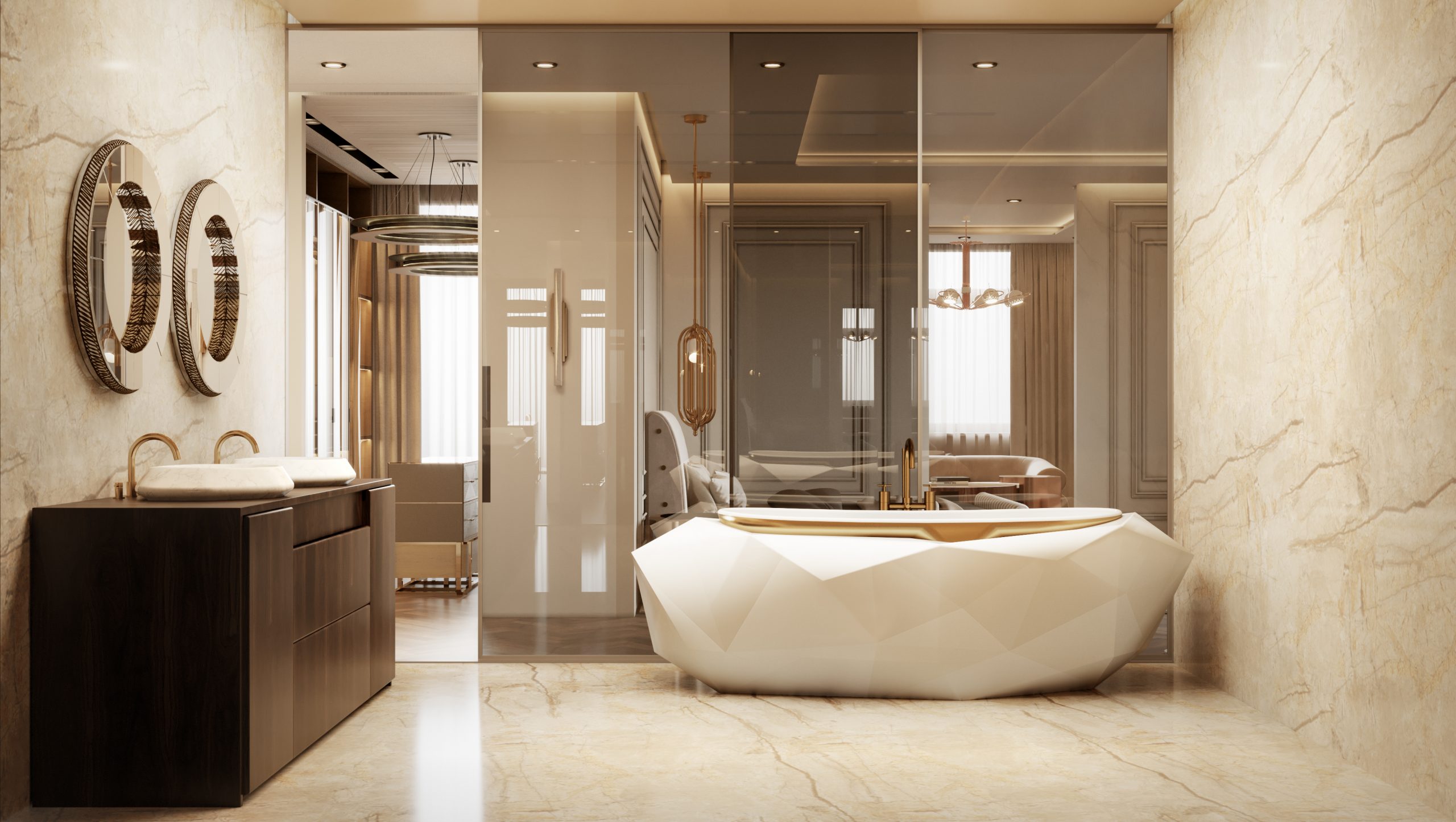

In contemporary interior design, the bathroom has transitioned from a purely utilitarian space into a personal sanctuary designed for wellness and relaxation. At the heart of this evolution lies the sculptural freestanding bathtub. Far from being just a vessel for bathing, these tubs are increasingly viewed as high-end furniture pieces that anchor the room and dictate its aesthetic tone. By treating the bathtub as a standalone work of art, homeowners and designers can transform even modest bathroom layouts into sophisticated retreats that exude luxury and architectural interest.
The Evolution of the Bathtub as a Statement Piece
For decades, the standard approach to bathroom design involved alcove tubs integrated into a tiled frame. While efficient, these built-in fixtures often felt cramped and visually stagnant. The resurgence of the freestanding tub represents a departure from this rigid box-like design. Modern sculptural tubs draw inspiration from diverse influences, ranging from mid-century modern curves and organic rock formations to sharp, geometric minimalism.
When a tub is placed away from the walls, it gains a sense of presence. It occupies the space as an object of desire rather than a plumbing necessity. This shift in perspective turns the bathroom into a gallery-like environment. Whether situated under a grand picture window, in the center of an expansive spa room, or tucked into an intimate corner, a sculptural tub acts as the visual anchor that pulls the eye and defines the flow of the entire space.
Materiality and Design Language
The impact of a sculptural tub is largely defined by its material composition. Today’s manufacturing techniques allow for an array of materials that were previously difficult to mold into fluid, ergonomic shapes. Each material choice brings a distinct texture and weight to the bathroom design.
-
Stone Resin and Composite: These materials are currently the industry standard for high-end sculptural tubs. They offer a non-porous, velvety finish that is incredibly durable and retains heat significantly better than traditional acrylic. Because they are cast in molds, designers can achieve razor-thin edges and complex, flowing geometries that look like poured liquid or carved stone.
-
Natural Stone: Carved from solid blocks of marble, granite, or travertine, these tubs are the ultimate luxury choice. Each piece is unique, featuring individual veining and patterns. A natural stone tub is essentially a heavy, permanent piece of sculpture that adds a sense of timelessness and organic weight to the room.
-
Copper and Metals: Metallic tubs offer a warm, industrial, or artisan appeal. Over time, copper develops a beautiful patina, changing the look of the tub as it ages. These pieces act as a striking contrast to sterile white tile and chrome hardware, introducing depth and a tactile quality that feels handcrafted.
-
Acrylic: While more traditional, high-quality acrylic remains popular for its lightweight nature and affordability. Modern acrylic designs have evolved to include deep, high-gloss finishes that mimic more expensive materials while offering ease of maintenance and resistance to scratches.
Strategies for Strategic Placement
To maximize the impact of a sculptural tub, placement must be handled with architectural intent. The tub should be positioned to take advantage of the room’s strongest features, whether that means capturing a view or establishing a clear circulation path.
A popular design strategy is to float the tub in front of a window or a statement wall. By framing the tub with floor-to-ceiling drapery or a dramatic slab of stone cladding, the designer creates a stage-like effect. This highlights the sculptural silhouette of the tub and emphasizes its role as a centerpiece.
Lighting also plays a critical role in framing the tub. Instead of relying on general ambient lighting, consider installing a low-hanging chandelier, a series of minimalist pendants, or dramatic spotlights directly above the fixture. When the tub is highlighted against a darker or contrasting backdrop, its curves and form become the undeniable focus of the room. Integrating a dedicated floor-mounted tub filler—rather than a wall-mounted faucet—further emphasizes the standalone nature of the unit, creating an unobstructed profile.
Harmonizing Aesthetics with Function
While aesthetics are paramount, the practicality of a sculptural tub cannot be ignored. The most successful designs find a balance between visual drama and ergonomic comfort. A high-walled tub with a dramatic sloped back might look visually striking, but it must also support the body properly for extended soaking sessions.
When planning for a sculptural tub, space planning is essential. Designers often incorporate a surrounding buffer of space, ensuring that the tub does not feel crammed. This breathing room is what allows the piece to function as furniture. Additionally, consider the floor weight. Freestanding tubs, particularly those made of natural stone or cast iron, can be exceptionally heavy. Ensuring that the bathroom floor structure is reinforced to support the combined weight of the tub, water, and user is a non-negotiable step in the installation process.
Maintaining the Focal Point
A sculptural tub requires consistent care to maintain its status as a focal point. Because these pieces are exposed on all sides, dust, water spots, and cleaning residue are more visible than they would be on a built-in model.
For composite and stone resin tubs, the smooth finish usually requires nothing more than a non-abrasive cleaner and a microfiber cloth. Avoiding harsh chemicals that could strip the finish or dull the surface is vital. If the tub features a porous finish or natural stone, specialized sealants should be applied periodically to prevent staining from bath oils, soaps, or hard water deposits. Keeping the plumbing fixtures—the freestanding filler and the drain—polishing to a high sheen will ensure the entire setup looks intentional and well-maintained.
Frequently Asked Questions
Can I install a freestanding tub in a bathroom that lacks a central plumbing hookup?
Yes, but it often requires significant renovation. You may need to relocate drain lines and water supply lines to the center of the room. For those who want to avoid major structural work, some manufacturers offer systems that allow for hidden piping runs along the floor, though this should always be assessed by a professional contractor.
Is it difficult to clean around the base of a sculptural freestanding tub?
Cleaning around a freestanding tub depends on the clearance provided. Designers typically recommend a minimum of six to twelve inches of space between the tub and the wall to allow for a mop or vacuum to pass through comfortably. If the tub is too close to the wall, it can become a trap for dust and moisture.
Are freestanding tubs deeper than standard alcove tubs?
Generally, yes. Because they are not restricted by the wall dimensions of an alcove, freestanding tubs are often designed with deeper, more ergonomic soaking wells. This is a primary benefit for those who enjoy long baths, as the water can cover more of the body.
How do I choose the right faucet style to complement a sculptural tub?
The faucet style should reflect the overall design theme of the bathroom. For a modern, minimalist tub, a sleek, floor-mounted chrome or matte black filler is ideal. For a vintage or clawfoot tub, a bridge-style filler with porcelain handles can lean into a more traditional or classic aesthetic.
Can freestanding tubs be used in a wet room configuration?
Yes, placing a freestanding tub inside a larger glass-enclosed wet room is a popular modern design choice. This protects the rest of the bathroom from splashes while allowing the tub to be treated as a sculptural object within a highly functional, waterproofed area.
Do sculptural tubs usually include overflow drains?
Most modern sculptural tubs come with integrated overflow systems to prevent flooding. When purchasing, it is important to confirm the location of the overflow, as some minimalist designs hide it behind the overflow cover for a cleaner look, while others may feature a more visible drain assembly.

Comments are closed.