
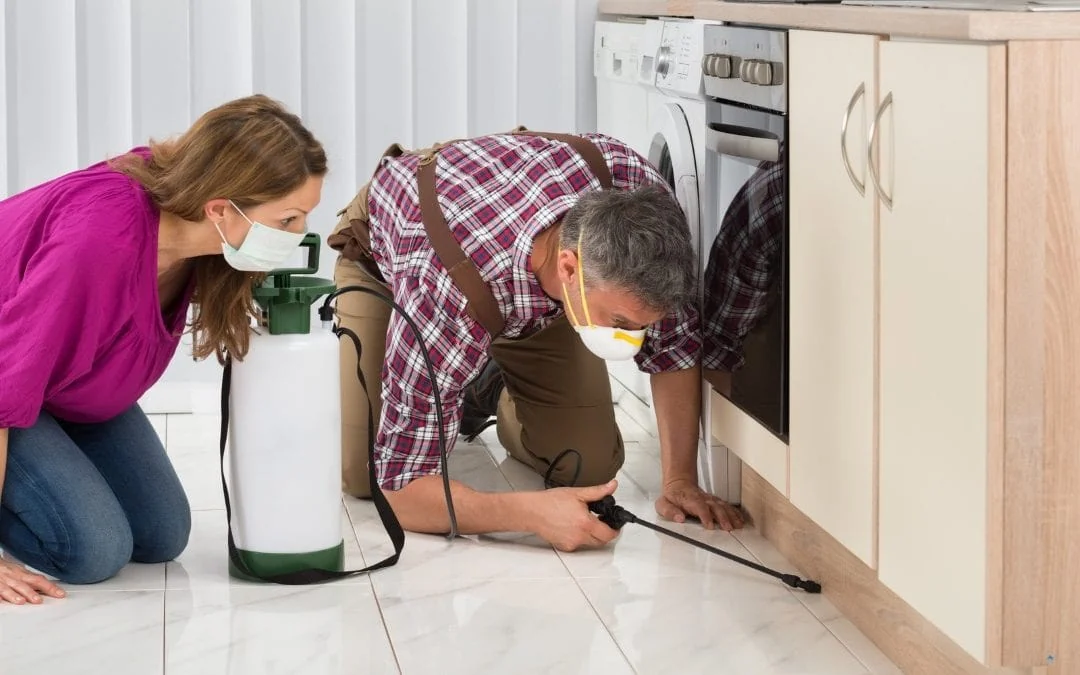

Scheduling an indoor pest treatment often brings a familiar wave of hesitation for pet owners. You want ants, roaches, spiders, or fleas gone for good, yet the thought of spraying chemicals across the floors where your dog sleeps or your cat grooms its paws feels unsettling.
The good news is that modern residential pest control relies heavily on targeted baits, crack-and-crevice applications, and low-toxicity formulations rather than broad indoor fogging. Still, proper home preparation is what bridges the gap between an effective treatment and a safe environment for animals. Taking time to clear floors, secure food and bedding, and plan temporary housing ensures technicians can reach pest hiding spots cleanly while keeping curious noses away from wet products.
Why Pet Biology Changes How You Prep Your Home
Pets interact with indoor spaces very differently than humans do. Dogs and cats walk barefoot across baseboards, lie directly on carpets and tile, chew on dropped objects, and groom fur that brushes against treated corners. Even small residues picked up on paws or whiskers can end up ingested during routine self-cleaning.
Different species also carry distinct sensitivities. Cats are uniquely vulnerable to certain insecticides, particularly pyrethroids like permethrin, because their livers lack specific enzymes needed to break those compounds down efficiently. Birds have remarkably delicate respiratory systems that react rapidly to airborne aerosols or fumes, while fish, amphibians, and reptiles can suffer severe harm if trace mist settles into open tank water or onto porous enclosure surfaces.
Because every household mix of pets and pests is different, start by telling your pest control provider exactly what animals live in your home before appointment day. Knowing whether you have a free-roaming cat, a puppy that chews baseboards, a saltwater aquarium, or a pet bird allows the technician to adjust product selection and placement.
Step-by-Step Home Prep Before the Technician Arrives
A well-prepped home allows the technician to apply products precisely where pests travel—inside wall voids, behind appliances, and along tight perimeter crevices—rather than around clutter on open floors. Aim to complete most of these steps the evening before or the morning of your service.
Clear Floors, Baseboards, and Under-Sink Cabinets
Technicians need unobstructed access to perimeter baseboards, closet edges, and plumbing penetrations where insects enter and nest. Pick up shoes, laundry baskets, storage bins, and children’s toys from the floor, pulling furniture a few inches away from walls where possible.
Empty the cabinets beneath your kitchen and bathroom sinks so the technician can inspect pipe openings and place gel baits or dusts in concealed voids. Doing this prep work ahead of time keeps treatments tucked behind closed doors and out of reach once the service wraps up.
Secure All Pet Food, Water Bowls, and Treats
Never leave kibble bowls, automatic feeders, water fountains, or open treat bags sitting out during an indoor treatment. Even if a technician avoids spraying near feeding stations, airborne micro-droplets or dust can drift onto surfaces.
Empty and wash food and water dishes, unplug water fountains, and store them inside a closed upper cabinet or take them with you when you leave. Seal open bags of dry food and treats inside airtight plastic bins or place them in a refrigerator or pantry that will not be treated.
Put Away Toys, Bedding, and Grooming Supplies
Plush dog toys, catnip mice, chew bones, scratching posts, and pet beds absorb moisture and hold onto fine particles easily. Gather every toy from under couches and behind doors, then seal them in heavy-duty plastic bags or lidded storage totes.
Strip washable covers from pet beds and launder them in hot water, keeping clean bedding stored away until the home is cleared for reentry. If you keep brushes, dental chews, or pet medications on open counters or low shelves, tuck those into closed drawers as well.
Protect Litter Boxes and Small Animal Enclosures
Scoop and clean cat litter boxes before the appointment, then move them into a bathroom, laundry room, or garage area that will not be sprayed—or cover and store them temporarily if you are taking your cat off-site. Leaving a litter box in a treated room risks contaminating fresh litter, which cats directly contact and ingest when cleaning their paws.
For caged pets such as rabbits, guinea pigs, hamsters, or birds, the safest approach is moving the entire enclosure out of the house for the duration of the treatment and drying period. If a large cage or tank cannot be moved, ask your technician in advance about room exclusions and strict containment protocols.
Special Precautions for Aquariums and Terrariums
Fish tanks, reef aquariums, and reptile terrariums require extra care because water and misting systems circulate contaminants quickly. Before the technician arrives, take these precautions:
-
Turn off air pumps and protein skimmers: Shutting down external air intakes prevents room air from being pumped directly into aquarium water.
-
Cover the tank tightly: Seal the top of the aquarium or terrarium with plastic wrap and a damp towel to block any settling droplets or dust.
-
Keep the surrounding room off-limits to sprays: Ask the technician to rely strictly on targeted gel baits or exterior perimeter treatments near rooms housing aquatic or exotic pets.
Where Pets Should Stay During Treatment
Even when a company uses low-odor, pet-friendly formulations, animals should never remain inside the rooms being actively treated. Wet sprays pose the highest risk of skin absorption, paw transfer, and accidental ingestion before products bond to surfaces.
Plan to take dogs and cats out of the home during the appointment and throughout the recommended drying window. A morning visit to doggy daycare, a long walk followed by time in a shaded backyard, a stay with a trusted neighbor, or relaxing in a climate-controlled vehicle parked safely in the shade all work well depending on the weather and your pet’s temperament.
If removing a nervous cat or senior pet from the property is too stressful, coordinate with your technician to treat the home in stages. You can confine pets inside one closed, untreated room—such as a spare bedroom or bathroom—while the rest of the house is serviced and dries, then move pets into a fully dry room if that final room needs attention later.
Reentry Rules and Post-Treatment Care
Once the technician finishes, resist the urge to bring pets back inside immediately. Follow the specific reentry window provided for your treatment, which typically ranges from one to four hours until all liquid applications have completely dried.
When you return home before letting pets loose, walk through the treated areas yourself to check that baseboards, tile edges, and cabinet kickplates are dry to the touch. Open windows or run exhaust fans if recommended to circulate fresh air, and wipe down kitchen countertops, dining tables, and pet feeding stations with warm soapy water just in case light residue settled nearby.
Avoid mopping or steam-cleaning right along treated baseboards for the first week or two unless instructed otherwise, as harsh cleaners can strip away residual barriers and force repeat treatments. Keep an eye on your pets during the first twenty-four hours—if you notice unusual drooling, paw licking, lethargy, vomiting, or skin irritation, contact your veterinarian right away and share the exact product name listed on your service report.

Comments are closed.